

China’s weakening demand outlook for liquefied natural gas (LNG) is creating uncertainty for global producers preparing billions of dollars in new export capacity, as the world’s largest energy importer shifts towards domestic resources, pipeline supplies and renewable energy.
For years, China was seen as the key driver of future LNG demand growth, supporting major investments in export infrastructure from the United States Gulf Coast to Qatar. However, recent projections suggest the country’s appetite for imported LNG is slowing.
Energy analysts say the disruption caused by the Iran conflict has reinforced China’s focus on energy security and reducing dependence on LNG imports, particularly supplies transported through vulnerable shipping routes.
S&P Global analyst Megan Jenkins said China is likely to adopt a more cautious approach towards LNG, with efforts to boost self-sufficiency expected to reduce future demand compared with earlier forecasts.
Major energy analysts, including JPMorgan, S&P Global Energy and Wood Mackenzie, have lowered their projections for China’s LNG demand growth in the early 2030s by between 14 million and 22 million tonnes.
The International Energy Agency (IEA) projects about 217 million tonnes of new LNG export capacity will be added globally by 2030, representing more than a 40 percent increase from current levels, led by expansions in the United States and Qatar.
However, weaker Chinese demand could affect up to 10 percent of this planned capacity, potentially influencing final investment decisions for some projects.
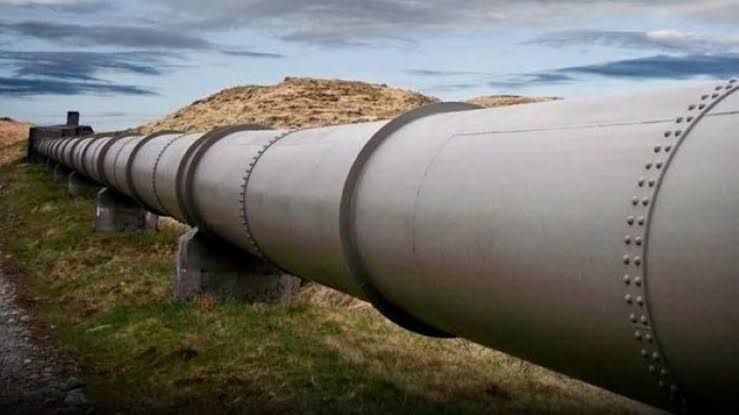
China’s changing energy mix is a major factor behind the shift. Domestic gas production has expanded significantly, while pipeline imports from Russia continue to grow. The planned Far East pipeline, expected to begin deliveries in 2027, could further reduce demand for imported LNG.
At the same time, China’s rapid expansion of renewable energy, alongside continued coal capacity growth, is limiting growth in gas consumption for electricity generation.
China’s LNG imports are expected to decline to between 61 million and 64 million tonnes this year, marking a second consecutive annual decline, according to energy consultancies Rystad Energy, ICIS and S&P.
Despite the slowdown, analysts say China will remain an important player in the global LNG market through the mid-2030s, although competition and geopolitical challenges will make access to its market more complex for exporters.
Meanwhile, strong LNG demand from other Asian and European countries could help support new projects, particularly those already under development.