
Kenya is accelerating efforts to achieve universal energy access by 2030 through its Mission 300 National Energy Compact, which aims to expand electricity access, increase renewable energy capacity and attract more private sector investment into the energy sector.
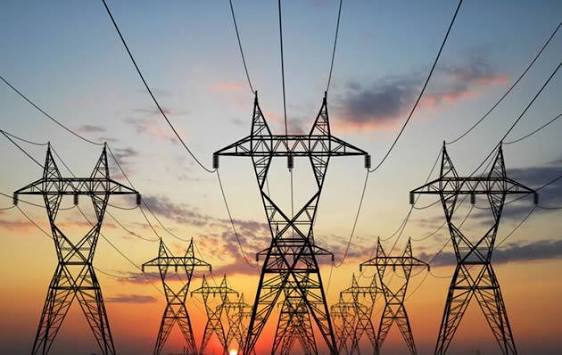
Under the Compact, Kenya plans to increase electricity access from the current 75 percent to 100 percent, achieve universal access to clean cooking solutions, raise renewable energy capacity from 2,627 megawatts to 5,952 megawatts, and develop an additional 8,000 kilometres of transmission lines.
The commitments were reviewed during a two-day Compact Implementation Support Workshop organised by the Government of Kenya and the African Development Bank Group, with support from Sustainable Energy for All (SEforALL).
The workshop brought together government institutions, development partners and private sector representatives to assess progress, address implementation challenges and identify financing and technical assistance needs required to deliver Kenya’s energy targets.
The discussions focused on developing Kenya’s Compact Implementation Support Document (CISD), a country-led roadmap designed to translate the National Energy Compact into specific reforms, institutional responsibilities, financing requirements, monitoring systems and a 12-month implementation plan.
Kenya’s Secretary for Renewable Energy at the Ministry of Energy and Petroleum, Isaac Kiva, said the document would provide a structured pathway for implementing the country’s energy commitments.
He said the roadmap would outline reforms, investments, coordination mechanisms and monitoring frameworks to ensure the Compact translates into measurable results.
African Development Bank Group Director for Energy Financial Solutions, Wale Shonibare, said the success of Mission 300 would depend on the ability of countries to turn commitments into practical actions.
The workshop also highlighted progress made since Kenya launched its Compact in 2025, including transaction advisory support for major hydropower and transmission projects, technical assistance for competitive solar and wind auctions, and the establishment of Kenya’s Country Platform to convert development priorities into investable projects.
Participants identified 10 priority reform actions aimed at improving the investment environment, strengthening policies and regulations, and accelerating progress towards universal energy access.
The Kenya workshop is the first in a series of Mission 300 implementation sessions expected to be held in countries including Sierra Leone, Ghana, Senegal, Côte d’Ivoire and Botswana.
Mission 300 is a joint initiative of the African Development Bank Group, World Bank Group, Rockefeller Foundation, SEforALL and the Global Energy Alliance for People and Planet, targeting electricity access for an additional 300 million people across Africa by 2030.
.