

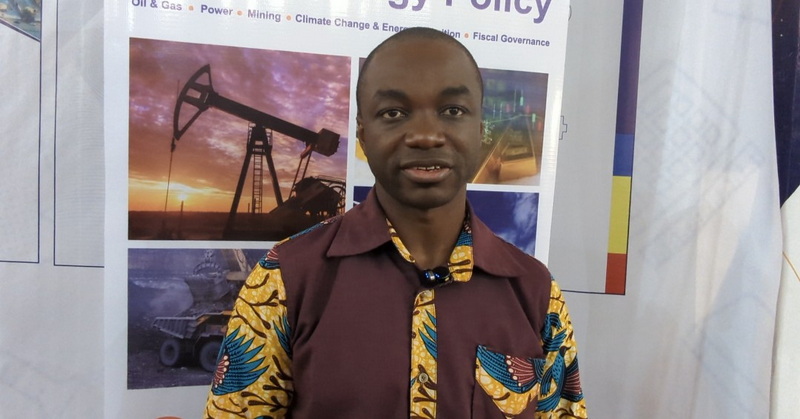
Energy experts have called on Ghana to pursue a balanced energy transition that protects jobs, strengthens energy security and sustains economic growth while fulfilling its climate commitments. They argue that although the shift to cleaner energy is inevitable, the country’s development agenda requires a pragmatic approach that leverages both renewable energy and its petroleum resources.
Speaking at a seminar on “A Just Energy Transition: The Role of Petroleum Engineers in Africa’s Energy Future” at Takoradi Technical University, consultant and technical advisor Dr. Charles Gyamfi Ofori said Ghana should avoid treating the energy transition as a choice between fossil fuels and renewables. He noted that while Ghana continues to strengthen its climate commitments under the Paris Agreement through its Nationally Determined Contributions (NDCs), oil and gas will remain important to the country’s economy for decades. He urged Ghana to position itself to benefit from the environmental, economic and social opportunities presented by both energy sources.
Dr. Ofori explained that Ghana’s climate commitments include increasing renewable energy’s contribution to electricity generation, improving energy efficiency and expanding the use of natural gas in power generation to reduce emissions. He added that affordability is becoming a key driver of energy choices, encouraging engineering students to broaden their expertise into emerging areas such as hydrogen, carbon capture and storage, geothermal energy and critical minerals to remain competitive in the evolving energy industry.
The Head of the Department of Oil and Natural Gas Engineering at Takoradi Technical University, Dr. Joseph Sakyi-Ansah, said Africa’s energy transition must reflect the continent’s unique development challenges. With more than 600 million Africans still lacking access to electricity, he said a just transition should balance environmental sustainability with energy security, industrial growth and social development. He noted that petroleum engineers will continue to play an essential role through their expertise in integrated energy systems, carbon management and other low-carbon technologies.
Also addressing the seminar, consultant and technical advisor Dr. Joseph Willie Amoah described natural gas pricing as a major determinant of electricity costs in Ghana, where about 70 per cent of power generation relies on gas. He argued that Africa’s energy challenge is not a shortage of natural gas but weak institutions and policy frameworks that have failed to prioritise domestic energy needs. The seminar, organised by the Africa Centre for Energy Policy (ACEP) in collaboration with Takoradi Technical University, brought together students, academics and industry professionals to discuss how petroleum engineers can support a just energy transition while advancing Ghana’s long-term energy security and sustainable development.