
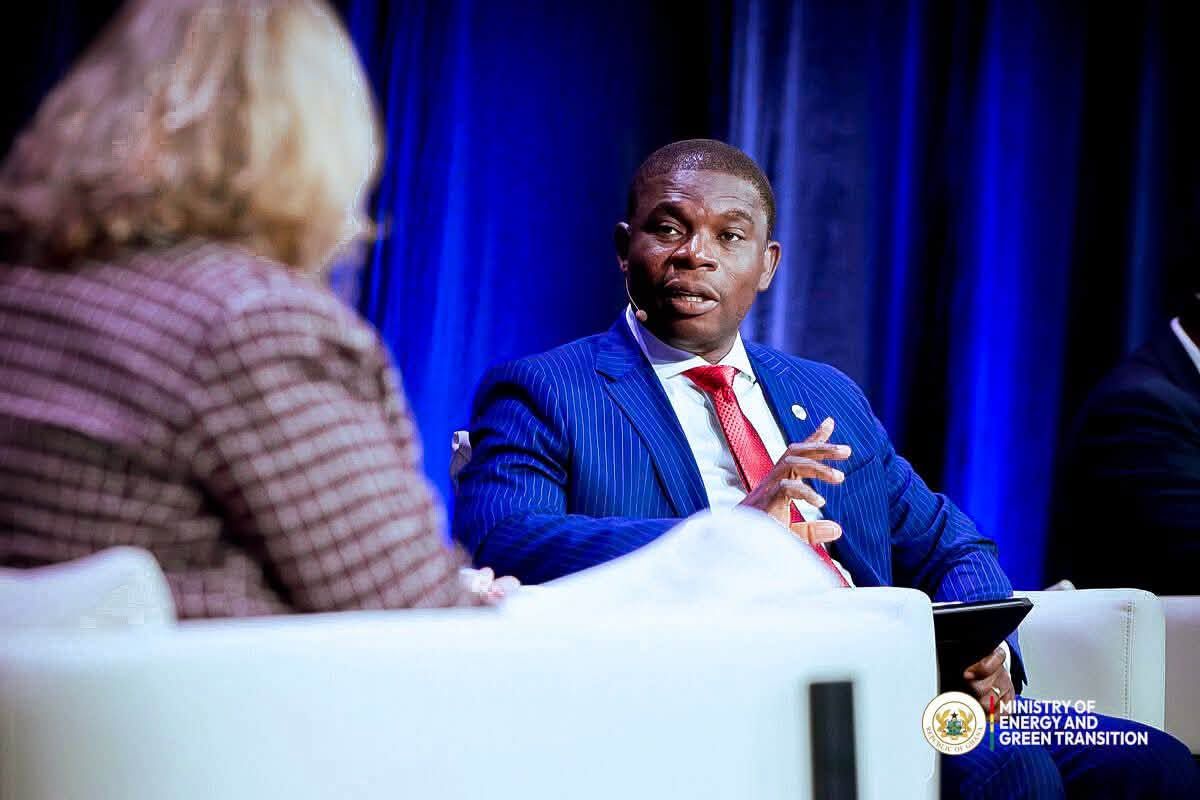


Ghana has reaffirmed its commitment to making energy efficiency a cornerstone of consumer protection, energy security and sustainable economic growth during the 11th International Energy Agency (IEA) Annual Global Conference on Energy Efficiency held in Montreal, Canada. The conference, themed “Sheltering Consumers from Energy Shocks,” brought together policymakers, industry leaders and energy experts to explore strategies for building more resilient and affordable energy systems.
Representing Ghana at the conference, Deputy Minister for Energy and Green Transition, Richard Gyan-Mensah, outlined the government’s efforts to strengthen the country’s energy sector through a combination of energy efficiency measures and clean energy investments. He said the government is implementing policies that will improve electricity affordability and reliability while shielding consumers from rising energy costs.
According to the Deputy Minister, the initiatives include expanding the use of natural gas as a transition fuel, increasing investments in renewable energy, improving power generation capacity, reducing electricity distribution losses and promoting the adoption of energy-efficient appliances. These interventions, he noted, are intended to enhance energy security while delivering long-term benefits for households, businesses and the national economy.
Mr. Gyan-Mensah emphasised that energy efficiency should not be viewed solely as a means of reducing energy consumption. Rather, he described it as a strategic driver of economic growth, consumer welfare and Ghana’s broader energy transition agenda. “Energy efficiency goes beyond saving energy. Ghana remains committed to building an energy sector that delivers affordability, reliability and sustainable growth for all,” he stated.
Ghana’s participation in the conference reflects the country’s continued engagement in global discussions on sustainable energy development and its commitment to adopting policies that protect consumers from energy shocks while advancing the transition to a cleaner, more resilient and inclusive energy future.