

Ghana is at a pivotal moment in its energy journey, aiming to transform its longstanding power crisis into a platform for sustainable growth through innovation, global partnerships, and policy reform.
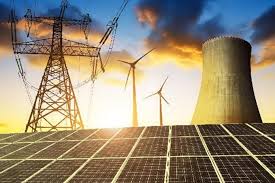
The country plans to diversify its energy mix by embracing solar, wind, and geothermal sources to reduce its dependence on hydro and fossil fuels, making the system more resilient to climate and market shocks.
Inspired by global successes in Germany, Kenya, and India, Ghana is pursuing decentralized power networks and rural microgrids to improve access and ensure energy reliability across underserved regions.
International financing is seen as crucial, with Ghana seeking to emulate Brazil and South Africa in leveraging funds from institutions like the World Bank and African Development Bank to modernize its energy infrastructure.
A renewed push for regulatory reform is underway, with policy overhauls expected to liberalize markets, attract investors, and promote transparency in line with examples from countries like Chile.
To support this transition, Ghana will introduce incentive programs such as tax breaks and feed-in tariffs, and invest in community energy projects that empower local economies.
The government also plans to invest in skills training and digital infrastructure to support smart grids and enhance local capacity for maintaining new energy systems.
Public-private partnerships will play a key role in driving innovation while distributing risks, backed by accountability mechanisms to ensure transparent use of funds.