
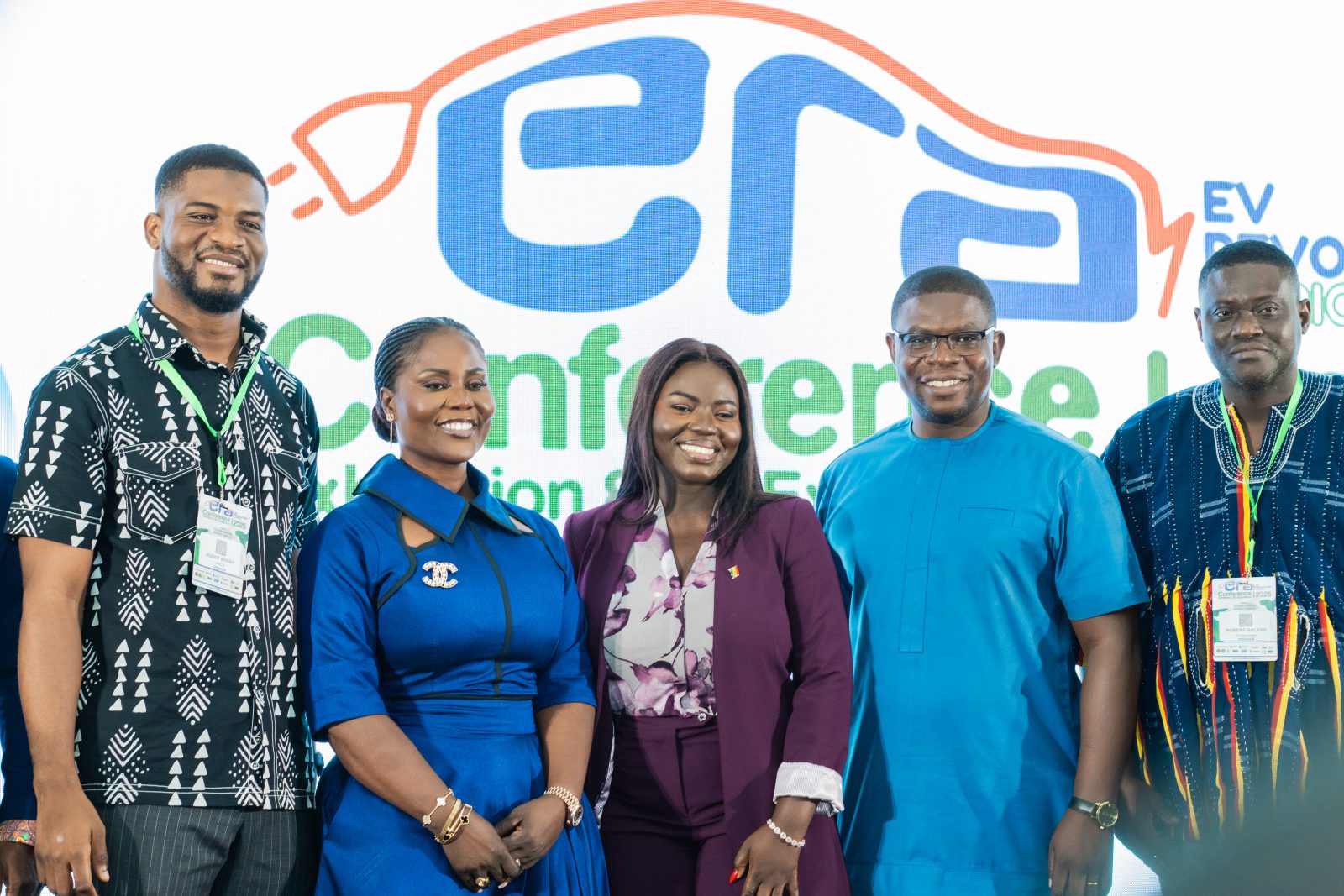


Ghana is making significant strides in its electric mobility sector as the government outlines a comprehensive framework to accelerate the adoption of electric vehicles (EVs) and green transport solutions.
Addressing stakeholders at the ERA E-Mobility Conference held in Accra on Wednesday December 3, 2025, the Deputy Minister of Energy and Green Transition, Hon. Richard Gyan-Mensah highlighted the role of the National Electric Vehicle Policy, set to be released soon, in driving a low-emission, efficient, and technology-driven transport system.
He noted that the government’s efforts are anchored in the National Energy Transition Investment Plan (ETIP) and the forthcoming National Electric Vehicle Policy, which seeks to position Ghana as a regional leader in clean mobility. “This framework defines our pathway to low-emission transport, job creation, technology transfer, and long-term resilience,” the Deputy Minister said.
According to the Department of Vehicle Licensing Authority (DVLA), Ghana has seen a remarkable increase in EV adoption. As of October 2025, over 1,200 pure electric vehicles are registered, compared to fewer than 200 in 2022. Additionally, more than 20,000 electric and hybrid vehicles are currently operating nationwide, reflecting growing public confidence, expanded infrastructure, and private sector engagement.
Highlighting government initiatives, the Deputy Minister outlined plans to procure EVs for ministers and priority public institutions starting in 2026. In addition, the Ministry of Energy, in collaboration with the Ministry of Transport and private partners, is facilitating the installation of charging stations along national corridors and public facilities. He added that discussions are ongoing with private partners to review tax incentives and duty structures for electric vehicles, batteries, and charging equipment to encourage adoption.
Recognizing the importance of workforce development, the Deputy Minister emphasized the need for technical capacity to repair and maintain electric vehicles. “Without developing the necessary skills, the transition will be costly and unsustainable,” he noted, stressing the role of technical training in industrialization and job creation.
Deputy Transport Minister Dorcas Toffey, speaking at the event, emphasized the significance of Ghana’s transition to electric vehicles, highlighting that a modern transport system must be cleaner, safer, and more efficient. “The EV transition is not just a trend; it is a necessary shift for a greener and more sustainable transport sector,” she said, adding that the government is committed to collaborating with all partners to ensure a smooth and impactful transition.
Meanwhile, the CEO for Cubica Energy and the Energy Quest Foundation, Lesley Arthur welcomed the government’s engagement but called for stronger support for the private sector, which she identified as a key driver of EV adoption in the country.
The ERA EV Conference brought together policymakers, technology providers, energy firms and transport sector players to discuss opportunities and challenges in Ghana’s electric mobility space.