

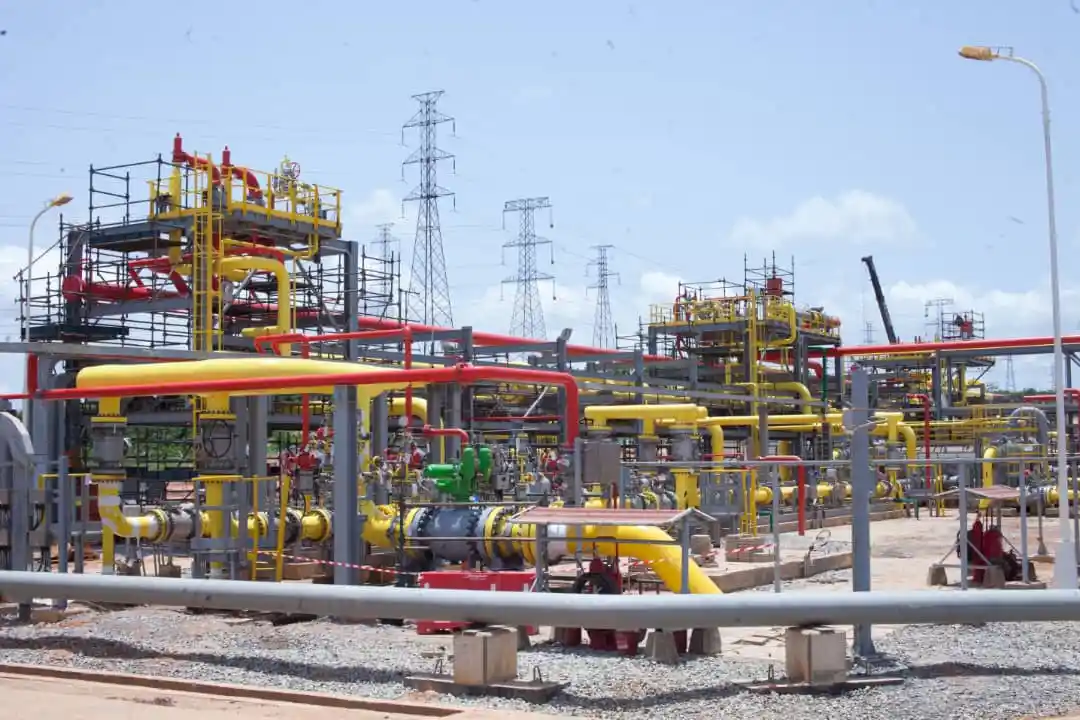
The Africa Sustainable Energy Centre (ASEC) has called on the government to retain full ownership of the proposed second Gas Processing Plant (GPP Train 2) of the Ghana National Gas Company, warning that handing the project to a private operator could undermine Ghana’s energy security and drive up electricity generation costs.
In a statement issued on July 8, the energy policy think tank argued that the proposed gas processing facility is a strategic national asset that should remain under state control rather than be transferred to private ownership.
According to ASEC, Ghana Gas was established to process and distribute the country’s indigenous natural gas under the government’s fuel supply arrangements with Independent Power Producers (IPPs). The Centre believes introducing a private operator would disrupt this structure by adding an unnecessary commercial intermediary whose primary objective would be profit maximisation.
ASEC cautioned that such an arrangement could increase the cost of gas supplied to thermal power plants, ultimately raising electricity production costs while leaving the government to bear much of the financial and operational risk.
The Centre further rejected suggestions that Ghana Gas should be privatised to improve efficiency, arguing that the company has demonstrated its operational capability through the successful management of the Atuabo Gas Processing Plant. It noted that the use of indigenous natural gas has helped reduce dependence on imported light crude oil, delivering significant savings to the country.
While opposing private ownership of GPP Train 2, ASEC said it remains supportive of greater private sector participation in the commercial operations of the Electricity Company of Ghana (ECG), citing the utility’s persistent financial challenges.
The Centre maintained that preserving state ownership of the second gas processing plant would strengthen Ghana’s control over a critical component of its energy value chain and ensure gas infrastructure continues to support national industrialisation and long-term energy security..