
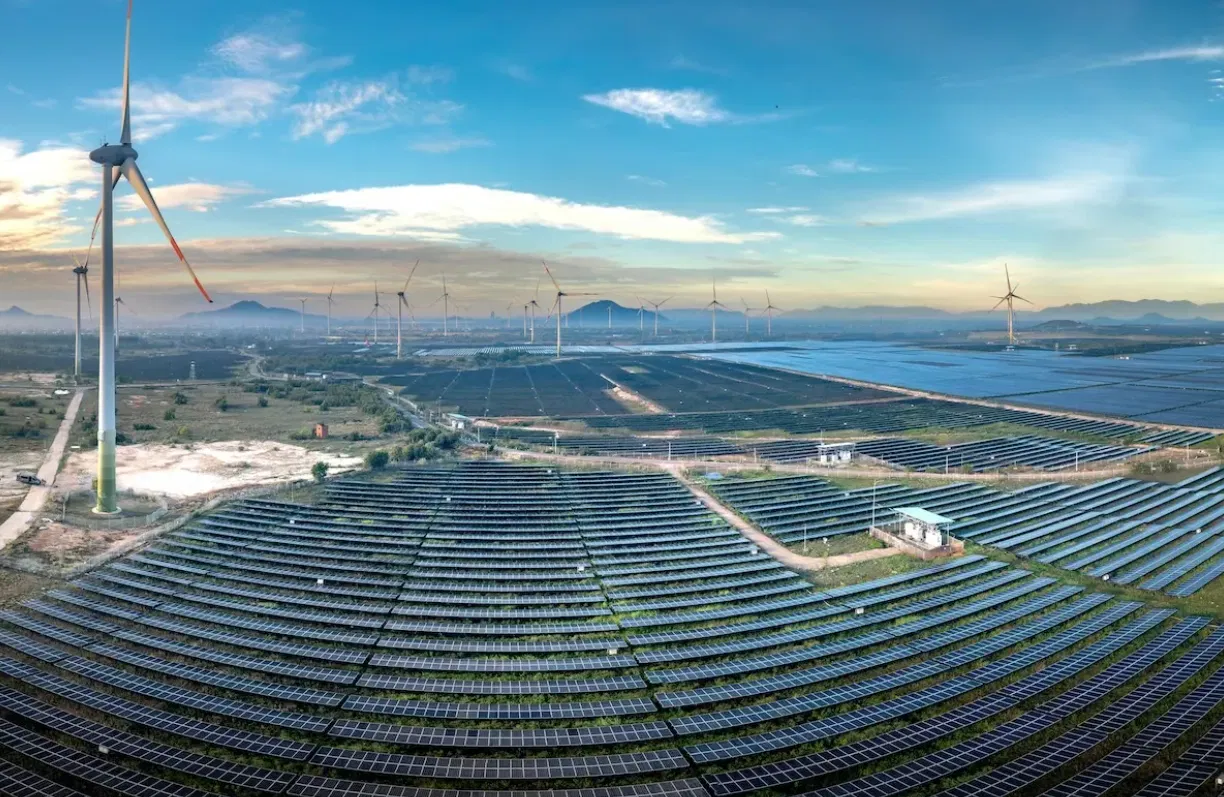

Climate variability and long-term warming significantly altered the performance of renewable energy systems worldwide in 2024, according to a joint report by UN-backed agencies. The 2024 Year in Review, released by the World Meteorological Organization and the International Renewable Energy Agency, was published in 2025.
It found that 2024 was the warmest year on record, with global temperatures about 1.55 degrees Celsius above pre-industrial levels. The extreme heat contributed to sharp regional shifts in solar, wind and hydropower potential.
The report said climate-driven global energy demand rose by 4% compared with the 1991–2020 average.
Using indicators covering wind and solar capacity, precipitation-linked hydropower and temperature-driven demand, the analysis highlighted strong regional contrasts.
Residual El Niño conditions, record ocean heat and long-term warming were cited as key drivers of the changes.
For the first time, the agencies assessed the reliability of seasonal climate forecasts for energy planning.
They found that systems such as those from the European Centre for Medium-Range Weather Forecasts could predict regional anomalies months ahead.
Early summer forecasts in 2024, for example, accurately flagged higher energy demand and weaker solar output across much of Africa.