

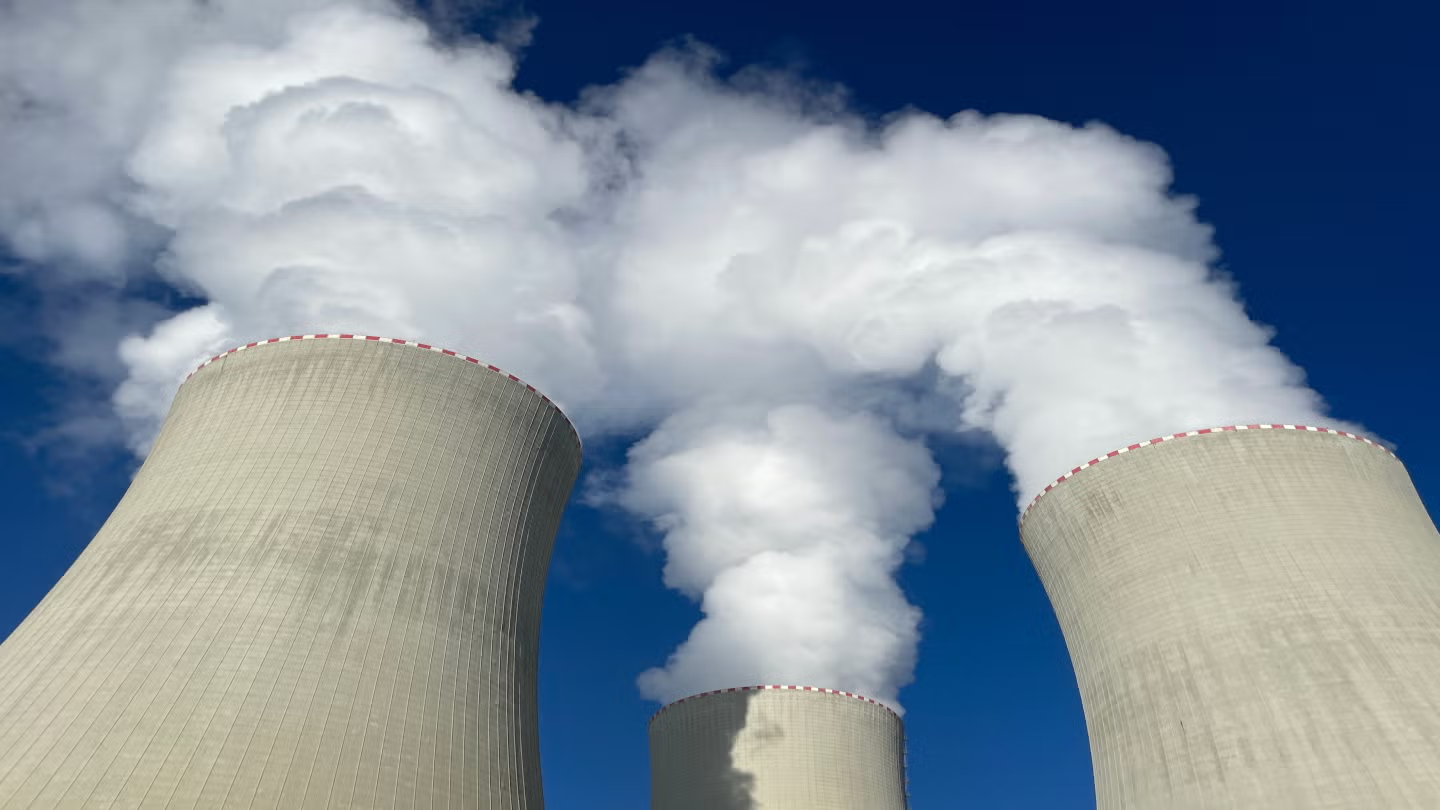
In a significant policy shift, the World Bank has lifted its longstanding ban on financing nuclear energy projects in developing countries. The move marks a reversal of its 2013 decision to exclude nuclear power from its investment portfolio and comes as part of a broader strategy to expand electricity access and accelerate development in low- and middle-income nations.
According to a report by Reuters, the decision reflects growing recognition of nuclear energy’s role in delivering reliable, low-emission power to economies striving to meet both energy demand and climate goals. As developing countries face mounting pressure to decarbonize without sacrificing growth, nuclear energy is increasingly being viewed as a viable part of the clean energy mix.
While the World Bank’s board reached consensus on reintroducing nuclear energy into its operations, it stopped short of making a similar decision on upstream natural gas. Discussions around the role of gas in development financing remain contentious, with countries like Germany, France, and the United Kingdom expressing reservations about renewing support for upstream gas infrastructure.
The World Bank had previously announced in 2017 that it would cease funding for upstream oil and gas projects starting in 2019, allowing only limited exceptions for the world’s poorest countries. Despite the evolving stance on nuclear power, the Bank continues to prioritize projects that align with its core mission: reducing poverty and driving sustainable development.