

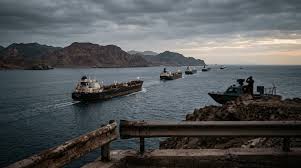
The Executive Director of the International Energy Agency, Fatih Birol, has cautioned that a prolonged disruption of oil flows through the Strait of Hormuz could trigger the largest energy crisis in history, with severe consequences for the global economy.
He warned that Europe may have only about six weeks of jet fuel remaining, raising the risk of imminent flight cancellations if supply disruptions linked to the Middle East conflict persist.
According to Birol, continued blockage of the strategic waterway would significantly tighten global energy supply, driving up prices for petrol, gas, and electricity while worsening inflation and slowing economic growth.
He stressed that the impact would be global but uneven, with developing regions in Asia, Africa, and Latin America likely to bear the brunt of the crisis.
Birol noted that nearly 20 percent of the world’s traded oil passes through the Strait of Hormuz under normal conditions, making it one of the most critical energy transit routes globally.
He warned that failure to reopen the route in the coming weeks could force airlines to begin canceling flights due to fuel shortages.
While some countries may have stronger economic buffers, he emphasized that no nation would be immune to the effects of such a disruption.
Birol also raised concerns about reports of a “toll system” being applied to vessels transiting the strait, warning that normalizing such practices could set a dangerous precedent for other key shipping routes worldwide.
He called for the uninterrupted flow of oil shipments, stressing that energy supplies should move freely without conditional restrictions.
Although more than 110 oil tankers and over 15 liquefied natural gas carriers are currently waiting in the Persian Gulf and could help ease supply constraints if allowed to pass, Birol said this alone would not be sufficient to resolve the crisis.
He further highlighted that damage to energy infrastructure in the region could delay recovery even if the conflict is resolved, noting that more than 80 key facilities have been affected, with over one third severely damaged.
According to him, restoring production to pre conflict levels could take up to two years, underscoring the long-term risks facing global energy markets.