

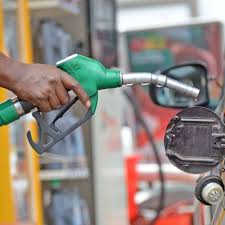
Kenya’s President, William Ruto, has defended the recent increase in fuel prices, stating that government interventions, including subsidies and tax adjustments, helped prevent a more severe surge for consumers.
His comments came shortly after the Energy and Petroleum Regulatory Authority announced sharp increases in pump prices, which pushed petrol and diesel above the KSh 200 per litre threshold.
Under the initial pricing review, diesel rose by KSh 40.30 to KSh 206.84 per litre, while petrol increased by KSh 28.69 to KSh 206.97. Kerosene prices were maintained at KSh 152.78.
EPRA attributed the spike to rising global fuel costs and increased shipping expenses linked to escalating tensions in the Middle East.
The magnitude of the increases triggered widespread public backlash, forcing the regulator to revise prices downward.
Following the adjustment, petrol prices were reduced by KSh 9.37 to KSh 197.60 per litre, while diesel dropped by KSh 10.21 to KSh 196.63.
The rise in prices has been driven by supply disruptions, including attacks on refineries and blockades along key shipping routes, which have significantly increased the landed cost of petroleum products. Diesel imports alone rose by more than 68 percent in March.
Speaking at a roadside rally in Kisii on April 15, President Ruto said Kenya remains relatively stable compared to other countries facing fuel shortages and escalating prices.
He credited the Government to Government G to G fuel import arrangement with helping stabilize supply and shielding the country from more severe disruptions.
Ruto emphasized that the measures introduced by his administration are intended to cushion households while maintaining economic stability.
He also highlighted that the government has allocated about KSh 6.5 billion for fuel subsidies and reduced Value Added Tax on petroleum products from 16 percent to 13 percent to ease price pressures.
Additional support includes subsidies of KSh 20.30 per litre for diesel and KSh 4.92 for petrol, while kerosene has received higher support to keep its price unchanged.
The President reiterated that the government’s focus is not only on managing prices but also on ensuring a steady and reliable fuel supply nationwide.