
Africa is rapidly positioning itself at the forefront of the global green hydrogen revolution, with more than 52 large-scale projects now announced across the continent. These developments represent billions of dollars in investment and hold the promise of deep industrial transformation, job creation, and regional integration.
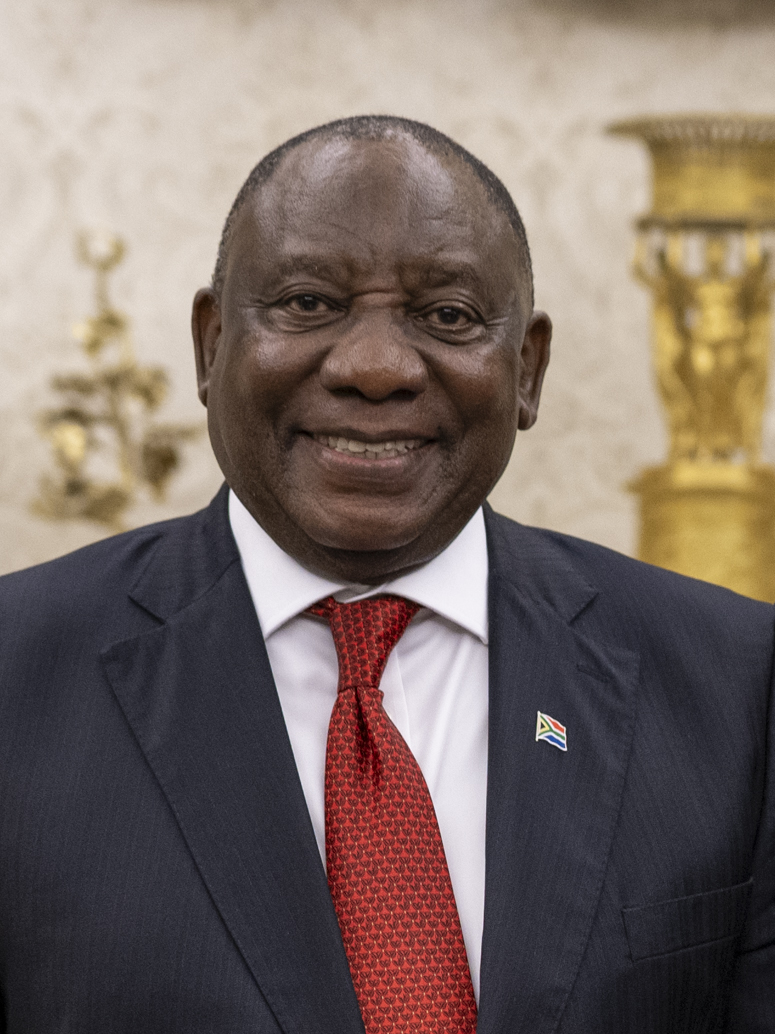
In South Africa, President Cyril Ramaphosa has reaffirmed the country’s commitment to the green hydrogen transition. Speaking at an event in Cape Town on June 12, he revealed that South Africa has already invested R1.49 billion into its Hydrogen South Africa (HySA) program. The HySHiFT project aims to produce 400,000 tons of sustainable aviation fuel annually among the country’s five flagship hydrogen initiatives. For President Ramaphosa, green hydrogen represents a powerful opportunity to harness the continent’s vast natural resources and abundant renewable energy to decarbonize heavy industries, attract investment, and create inclusive economic growth that crosses national borders.
To support this vision, South Africa is implementing a series of energy sector reforms, including fast-tracking wheeling regulations and creating an Independent Transmission Projects Office to enhance electricity transmission capacity, both essential for scaling hydrogen-linked renewable energy.
Looking ahead, the African continent could produce between 30 and 60 million tons of green hydrogen annually by 2050, according to President Ramaphosa. This projection, he said, could translate into as many as four million new jobs across Africa, particularly in member states of the Africa Green Hydrogen Alliance, which includes Egypt, Morocco, Mauritania, Namibia, and South Africa.
Some of the continent’s most advanced hydrogen projects are already underway. South Africa’s Coega Green Ammonia project, Mauritania’s AMAN project, and Morocco’s Project Nour are among those leading the charge, with each initiative designed to integrate renewable energy with industrial-scale hydrogen production.
International collaboration is proving to be a key driver in this emerging sector. Germany, through its H2Global mechanism, has committed to purchasing green hydrogen from Africa by allocating one of its four global hydrogen bidding lots to the continent. This ensures long-term off-take agreements for viable African projects. Additionally, a Joint Declaration of Intent between Germany and various African governments aims to promote the development of green steel and fertilizer production, anchoring Africa more firmly in the global supply chain for clean industrial products.
With strong political backing, international investment, and a growing pipeline of ambitious projects, Africa’s green hydrogen movement is fast becoming a cornerstone of its energy transition—and a beacon for what a sustainable, industrialized future could look like on the continent.