

Global energy demand grew at a slower pace in 2025, rising by about 1.3 percent amid weaker economic growth, milder temperatures in some regions, and improved energy efficiency, according to the latest International Energy Agency (IEA) Global Energy Review. While overall demand eased compared to previous years, electricity consumption continued to rise strongly, increasing by around 3 percent—more than twice the rate of total energy demand growth.
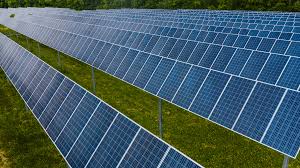
The report highlights that solar PV was the largest contributor to global energy supply growth for the first time, accounting for over 25 percent of the increase, followed by natural gas at 17 percent. Renewables and nuclear together met nearly 60 percent of new energy demand, while rapid electrification driven by industries, data centres, and electric vehicles continued to reshape global consumption patterns.
Despite the slowdown in overall demand growth, energy systems remained under pressure across major economies. The United States recorded strong demand growth driven by colder weather, industrial activity, and data centre expansion, while China’s growth slowed to 1.7 percent as renewable energy displaced coal and efficiency gains improved. Global energy-related carbon emissions rose only marginally by 0.4 percent, with declines in China and flat emissions in India helping to limit overall growth.
The IEA also noted record developments in clean energy technologies, including a historic increase in solar generation, rapid expansion of battery storage, and renewed growth in nuclear construction. It added that the continued deployment of low-emissions technologies is significantly reducing fossil fuel consumption globally, reinforcing a structural shift toward cleaner and more diversified energy systems.