
The United Arab Emirates (UAE) has mobilised $4.5 billion to accelerate clean energy projects across Africa under its Africa Green Investment Initiative, a senior minister said at the African Union Summit in Addis Ababa.
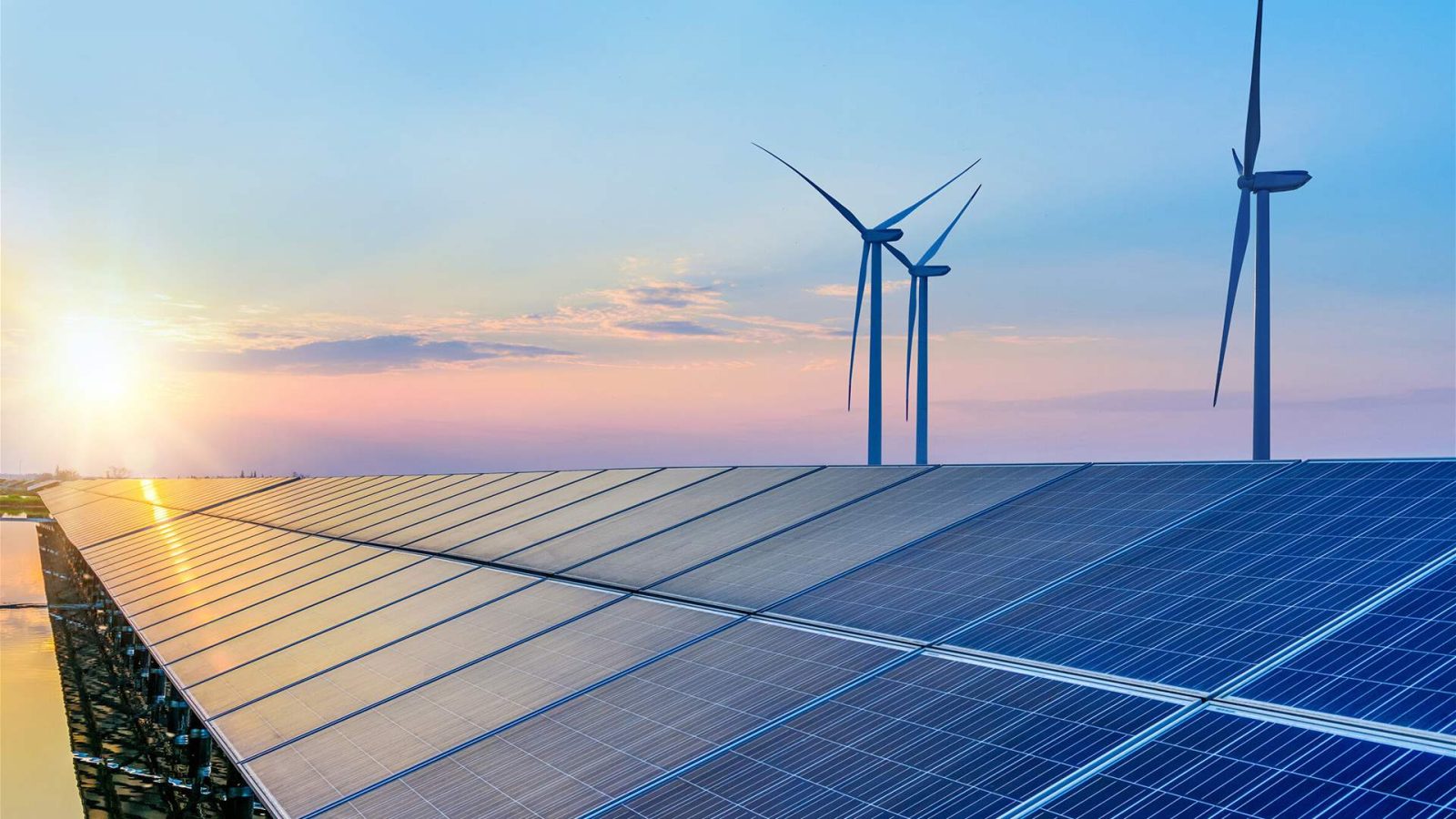
UAE Minister of State, Sheikh Shakhboot bin Nahyan Al Nahyan, told heads of state and government leaders that more than 60 projects spanning solar, wind, geothermal, battery storage and green hydrogen technologies were currently in preparation.
He said the funding aims to expand electricity generation capacity and reduce chronic power shortages that continue to constrain industrial growth and economic diversification across the continent.
The minister highlighted the $10 billion Africa programme by Masdar and the Etihad 7 initiative, which together seek to provide electricity access to up to 100 million people by 2035.
Between 2019 and 2023, the UAE committed over $110 billion in investments across Africa, with more than $70 billion channelled into energy and renewable sectors, reflecting what he described as a long-term bet on energy as the backbone of development.
Sheikh Shakhboot said the UAE had also concluded nine Comprehensive Economic Partnership Agreements with African countries, including Nigeria, Kenya and Angola, to strengthen trade, digital commerce and investment protection.
He noted that these agreements were designed to complement the African Continental Free Trade Area by reinforcing regional value chains and improving cross-border competitiveness.
In infrastructure, UAE firms are backing major logistics upgrades, including a $1 billion modernisation of the Port of Dar es Salaam by DP World and a new terminal in Luanda by AD Ports Group.
Nearly 40% of the UAE’s foreign assistance over the past decade—about $20.9 billion—has been directed to African nations, underscoring deepening diplomatic and economic ties.
Looking ahead, Sheikh Shakhboot said water security and climate resilience would become central pillars of cooperation, with the UAE set to co-host the 2026 U.N. Water Conference alongside Senegal, signalling a broader push for long-term structural partnerships.