

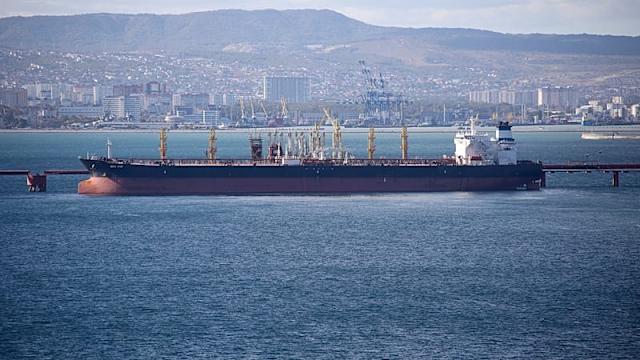
Russia’s oil and gas revenues have slumped to multi-year lows as fresh Western sanctions and trade pressure tighten around Moscow ahead of the fourth anniversary of its full-scale invasion of Ukraine.
Finance data show state income from oil and gas taxes fell to 393 billion roubles ($4.3 billion) in January, down sharply from December and from over 1 trillion roubles a year earlier, marking the weakest level since the COVID-19 pandemic.
The decline follows new U.S. sanctions imposed in November on energy giants Rosneft and Lukoil, exposing buyers and shippers to the risk of being cut off from the U.S. financial system.
The European Union in January also moved to ban fuels refined from Russian crude and is considering a broader prohibition on shipping and insurance services linked to Russian oil exports.
Washington has meanwhile pressured India, one of Russia’s largest customers, to curb crude purchases, contributing to a drop in shipments from about 2 million barrels per day in October to 1.3 million in December.
Despite earlier efforts to bypass a $60-per-barrel G7 price cap through a “shadow fleet” of ageing tankers, increased enforcement has widened discounts on Russia’s Urals crude to roughly $25 below Brent.
Reluctance among traders and insurers has left an estimated 125 million barrels stored at sea, pushing tanker rates to around $125,000 per day and raising export costs.
The revenue squeeze comes as Russia’s economic growth slows sharply, with third-quarter GDP rising just 0.1% and full-year forecasts below 1%, straining a war-time budget already burdened by military spending.
To bridge the gap, the Kremlin has raised value-added tax to 22%, increased excise duties and expanded domestic borrowing, while drawing on reserves from its national wealth fund.
Economists say the financial strain may not force Moscow to end the war, but sustained pressure could influence the scale and pace of military operations if energy income continues to weaken.