

The Public Utilities Regulatory Commission (PURC) is seeking to strengthen measures to protect water pipelines, electricity lines and other utility infrastructure from damage during road construction across the country.
The move follows growing concerns over the destruction and interference with critical utility installations as government intensifies road development under the Big Push programme.
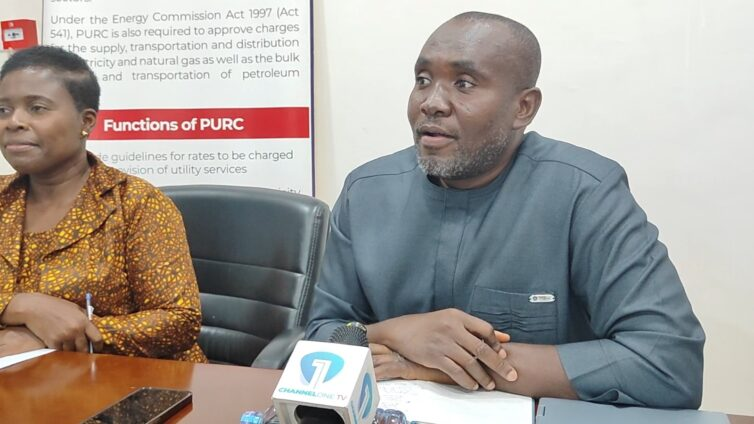
Speaking during a media engagement in the Western Region, PURC Executive Secretary Dr. Shafic Suleman said the Commission would bring together the Ministry of Roads and Highways, road contractors and utility service providers to develop a more proactive approach to protecting essential infrastructure.
He said utility companies would be expected to provide contractors with maps showing the locations of major pipelines, transmission lines and distribution networks before construction work begins.
According to Dr. Suleman, the information would serve as a guide for contractors and help prevent avoidable damage to utility facilities during road projects.
He added that contractors could be required to bear the cost of restoring damaged infrastructure if they cause disruptions despite having access to the necessary information.
PURC, he said, would provide a platform for affected utility companies to restore disrupted services while ensuring that the contractor responsible for the damage covers the cost of repairs.
Dr. Suleman also encouraged consumers affected by water or electricity interruptions caused by construction activities to report their concerns to the Commission.
He said PURC had already received and resolved several complaints and had engaged the Ministry of Roads and Highways on the need to ensure that contractors take adequate steps to protect utility installations.
During the visit, the PURC delegation also inspected the Daboase Water Treatment Plant, where a €70 million expansion project is nearing completion.
The expanded facility is expected to significantly increase water supply to Sekondi-Takoradi and surrounding communities, with a design capacity of 100,000 cubic metres of water per day, equivalent to about 22 million gallons.
Dr. Suleman said the project could substantially improve water availability in the twin cities, although challenges relating to the transmission pipeline network still need to be addressed.
Ghana Water has indicated that the pipeline connecting the Daboase facility to Sekondi-Takoradi will be expanded under the second phase of the project, which is also expected to include an additional treatment plant.
However, Dr. Suleman cautioned that expanding water treatment capacity alone would not fully address the region’s water supply challenges if illegal mining activities continued to pollute raw water sources.
He said galamsey along water bodies was increasing the cost of water treatment and posing a threat to sustainable water supply.
PURC has previously identified siltation caused by construction activities and illegal mining as some of the factors affecting water supply in the Western Region.
The Commission, Dr. Suleman said, would continue to address consumer complaints over service disruptions and work with utility providers and contractors to ensure affected services are restored promptly.