

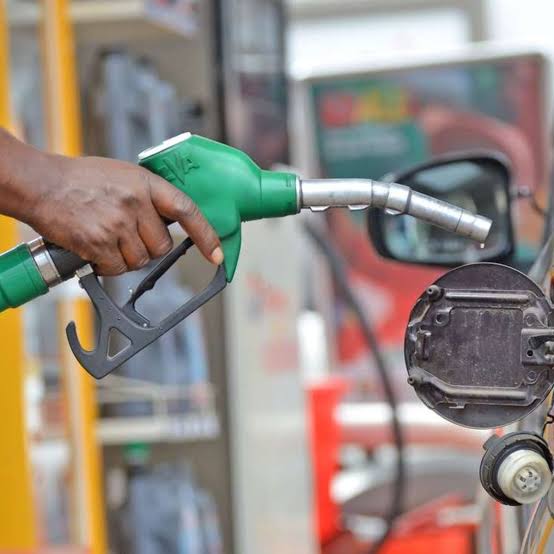
Petrol prices could decline at the pumps from November 1, 2026, while diesel prices may increase marginally following adjustments to the National Petroleum Authority’s (NPA) price floors for the first pricing window of November.
Market data obtained by JoyBusiness shows that the petrol price floor has been reduced from GH¢16.09 to GH¢15.39 per litre, while the diesel floor has increased from GH¢17.09 to GH¢17.41 per litre for the November 1–15 pricing period.
The price floor for liquefied petroleum gas (LPG) has also declined from GH¢13.89 to GH¢13.73 per kilogram, potentially creating room for lower LPG prices.
However, the revised floors do not represent final pump prices. According to the NPA, they exclude international oil trading premiums and the operating margins of Bulk Import, Distribution and Export Companies, Oil Marketing Companies and LPG Marketing Companies.
The final prices will therefore depend on the premiums and margins applied by individual companies under the prescribed Petroleum Products Pricing Formula.
Mixed Price Movements Expected
The adjustments could lead to different price movements across petroleum products during the upcoming pricing window.
The lower petrol and LPG floors could allow some marketers to reduce their prices, although the extent of any reductions will depend on their individual cost structures and pricing decisions.
Diesel, on the other hand, faces upward pressure from the increase in its price floor. One major oil marketing company currently sells petrol at GH¢16.45 per litre and diesel at GH¢17.95 per litre.
Rising international crude oil prices could also put pressure on domestic fuel costs, although the cedi’s recent appreciation may help cushion some of the impact.
October Prices Recorded Mixed Trends
The latest adjustments follow marginal reductions in petrol and diesel prices at the pumps from October 16, 2026, while LPG prices were projected to increase by approximately 18.5% per kilogram.
The Chamber of Oil Marketing Companies attributed the reductions in petrol and diesel prices to movements in international refined petroleum product prices and government subsidy measures.
In its assessment for the period, the Chamber reported that average crude oil prices had increased by 2.03% to US$126.73 per barrel amid renewed supply concerns.
International refined product prices, however, moved in different directions, with LPG prices rising by 7.77%, while diesel and petrol prices declined by 6.68% and 3.93%, respectively.
The cedi also depreciated by 1.61% to GH¢11.8222 per US dollar, based on average bank rates between September 26 and October 11, 2026. The Chamber noted that the currency had lost more than 11% of its value against the dollar since the beginning of the year, with seasonal import demand and higher energy costs contributing to the pressure.
Despite these challenges, lower international prices for petrol and diesel, alongside government subsidy measures, supported the modest pump price reductions recorded during the October 16 pricing window.
Motorists and other fuel consumers will now be watching how Oil Marketing Companies respond to the latest price floor adjustments when the new pricing window begins on November 1.