

Ghana has increased payments to Independent Power Producers (IPPs) from about 40 per cent to nearly 100 per cent of their monthly bills, as the government intensifies efforts to address financial instability in the electricity sector.
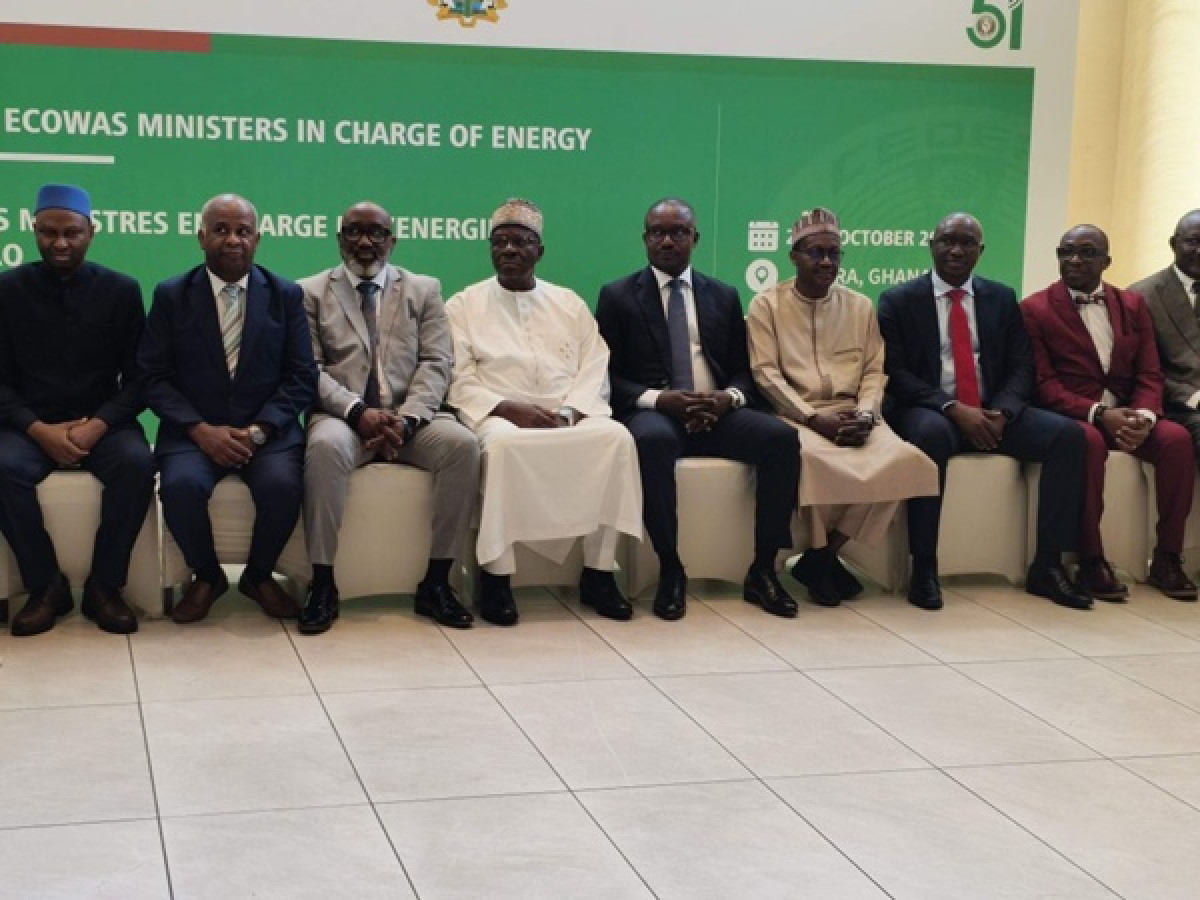
Minister of Energy and Green Transition, Dr John Abdulai Jinapor, disclosed this at the 16th Meeting of ECOWAS Ministers in Charge of Energy in Accra, where he highlighted measures to improve the financial position of electricity utilities and sustain reliable power supply.
According to the Minister, several IPPs were threatening to curtail generation when the government assumed office because of persistent payment arrears.
He said the government subsequently introduced aggressive revenue mobilisation measures and other reforms to improve collections and strengthen the capacity of electricity utilities to meet their obligations to power producers.
Dr Jinapor acknowledged that the intensified revenue collection efforts initially generated public dissatisfaction but maintained that the measures were necessary to protect the stability of the power sector.
He argued that financially distressed utilities risk undermining electricity generation, contractual obligations and investor confidence, with potential consequences for households, businesses and the wider economy.
The Minister said the government had prioritised financial discipline despite the immediate political costs associated with enforcing payment obligations, stressing that reliable electricity supply depended on the financial sustainability of the institutions responsible for the sector.
He added that the reforms were intended to strengthen Ghana’s capacity to meet rising domestic electricity demand while maintaining power exports to neighbouring countries.
At the regional level, Dr Jinapor urged ECOWAS member states to strengthen financial management and institutional accountability within their energy sectors.
He said the success of regional electricity integration would depend on the financial stability and credibility of individual national power systems, noting that sustainable utilities were essential to reliable supply and continued investment across West Africa.
While the reported increase in IPP payments signals progress in addressing payment arrears, the longer-term impact will depend on whether the improved payment levels can be sustained and supported by stronger revenue collection, cost recovery and financial discipline across the electricity value chain.