

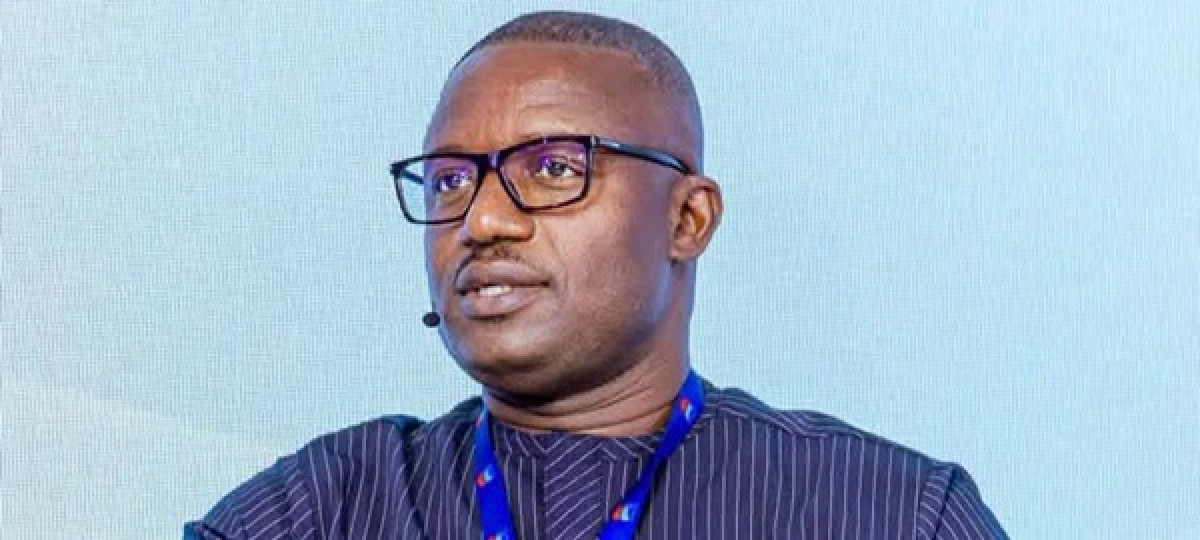
Ghana’s Minister for Energy and Green Transition, Dr. John Abdulai Jinapor, has called for greater investment in domestic natural gas resources and deeper regional cooperation to strengthen Africa’s energy security and reduce exposure to global energy market disruptions.
Speaking during a ministerial panel at the Gas Exporting Countries Forum (GECF) and African Energy Chamber (AEC) Strategic Forum at African Energy Week 2026 in Cape Town, South Africa, Dr. Jinapor stressed the need to connect upstream gas development with electricity generation, industrial growth and regional energy integration.
The discussion focused on how African countries could meet growing domestic energy needs while pursuing opportunities to export natural gas.
Dr. Jinapor said natural gas remained essential to Ghana’s electricity supply and broader energy security.
“For Ghana, natural gas is central to power generation and energy security,” he said in a Facebook post.
He added that increased gas supplies to thermal power plants had helped the country reduce its dependence on liquid fuels for electricity generation.
According to the minister, developing indigenous gas resources alongside stronger regional partnerships would help African economies withstand external energy shocks and improve collective energy security.
He also highlighted the importance of regional infrastructure, including the West African Gas Pipeline, in facilitating cross-border gas trade and strengthening cooperation between countries that produce natural gas and those that depend on imports.
Greater integration of regional gas markets, he noted, could improve supply access and deliver economic benefits across the region.
Dr. Jinapor reaffirmed Ghana’s commitment to using natural gas to support dependable electricity generation while advancing renewable energy and other sustainable solutions as part of the country’s green transition agenda.
He described the approach as a balanced and practical strategy that recognises natural gas’s role in meeting immediate energy requirements while supporting Ghana’s broader industrial and environmental objectives.