

Nigeria’s President, Bola Ahmed Tinubu, has approved the expansion of the Presidential Initiative on Compressed Natural Gas (PiCNG) to now include electric vehicles, marking a broader push toward clean and sustainable transport.
With the approval, the programme will be rebranded as the Presidential Initiative on Compressed Natural Gas and Electric Vehicles (PiCNG & EV), expanding its scope to coordinate both CNG and electric mobility solutions nationwide.
The development was announced in a statement issued in Abuja by Presidential Spokesperson, Bayo Onanuga.
Under the expanded mandate, the initiative will continue rolling out CNG infrastructure such as mother and daughter stations, integrated refuelling systems, and nationwide vehicle conversion programmes.
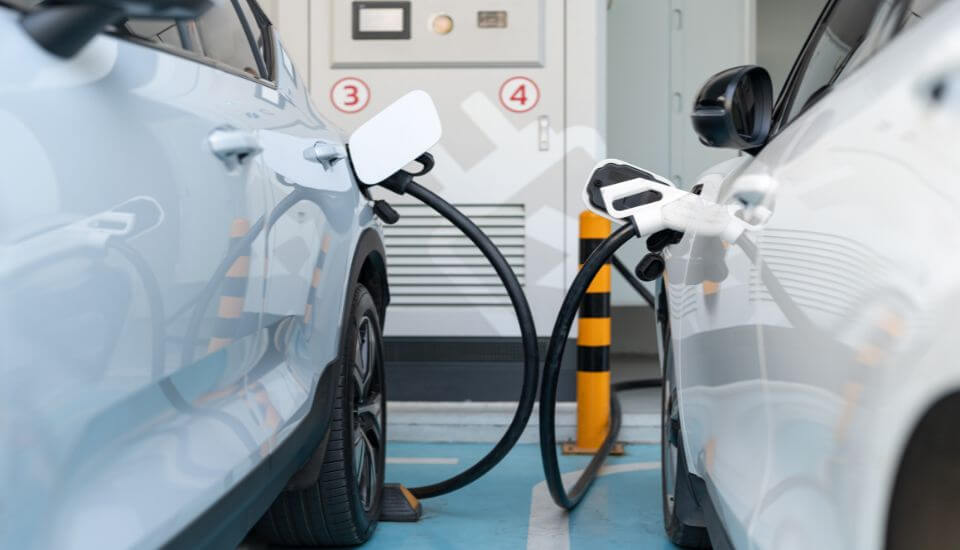
It will also take responsibility for deploying electric vehicles, developing EV charging infrastructure, and attracting related investments across the country.
Onanuga noted that natural gas remains an important transition fuel for Nigeria, offering cost advantages while utilising the country’s abundant resources to improve energy security.
He added that the expansion is expected to help conserve foreign exchange and promote a more efficient and sustainable transport system.
According to him, the inclusion of electric mobility further strengthens the government’s drive toward affordable and environmentally responsible transportation.
President Tinubu has also directed the Executive Chairman of PiCNG & EV, Ismaeel Ahmed, to set up a coordinated framework for the rapid rollout of vehicle conversion kits across the country.
He stressed that the kits must be made available to citizens at affordable and accessible costs.
To support implementation, the initiative will collaborate with CreditCorp Nigeria, financial institutions, and other partners to design financing models that make conversions more accessible.
The President further ordered the accelerated deployment of Mobile Refuelling Units to expand access to CNG infrastructure while permanent facilities are being developed.
The expanded PiCNG & EV programme is expected to play a central role in Nigeria’s transition toward cleaner energy-powered transportation.