
As African countries work to develop their estimated 125.3 billion barrels of crude oil and 620 trillion cubic feet of natural gas, local-content policies are evolving beyond requirements for local employment and procurement.
Governments are increasingly focusing on building domestic industrial capacity, improving access to financing, strengthening workforce skills and using technology to improve compliance, while maintaining investment environments that remain attractive to international partners.
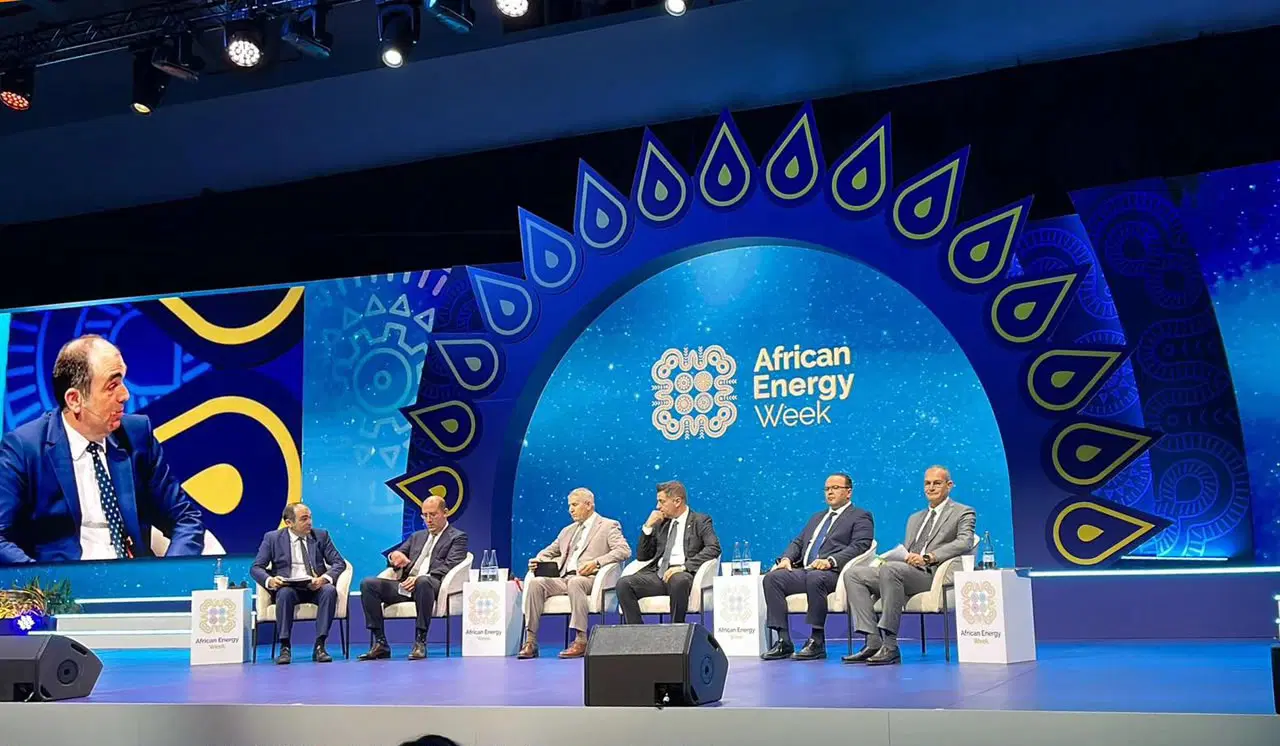
These developments will be among the key issues discussed at African Energy Week (AEW) 2026, scheduled for October 12–16 in Cape Town, South Africa. The event will feature a panel discussion titled “Local Content Roundtable: Aligning Policy, Capacity and Investment for Sustainable Growth.”
The session will bring together regulators, operators, project developers and local-content advocates to explore how African countries can balance domestic development goals with the commercial expectations of investors.
Mozambique is among the countries advancing its local-content framework. In June 2026, the country’s National Assembly approved Local Content Law No. 9/2026, which provides for the establishment of a Local Content Authority to oversee implementation as major gas and gas-to-power projects move forward.
These include TotalEnergies’ Mozambique LNG, ExxonMobil’s Rovuma LNG Phase One and Eni’s Coral North FLNG projects. TotalEnergies’ Mozambique LNG project alone is expected to generate more than 17,000 jobs during its construction phase.
Namibia is also preparing its workforce and local suppliers ahead of anticipated first oil production. Following the in-principle approval of its Upstream Petroleum Local Content Policy in April 2026, the country is seeking to build domestic capacity before major supply-chain contracts for projects such as TotalEnergies’ Venus, BW Energy’s Kudu Gas and Rhino Resources’ developments are finalised.
Nigeria, which has one of Africa’s most established local-content systems, is shifting its focus toward expanding domestic manufacturing and technical service capabilities across the oil and gas value chain.
The country has introduced a capability-grading framework to assess the capacity of local companies and launched a mandatory certification programme for training providers across 11 key disciplines to strengthen workforce development.
Ghana is also using technology and financing to modernise its local-content regime. The Petroleum Commission launched an AI analytics platform in May 2026 to improve reporting and enforcement, while a Local Content Fund expected to be rolled out in the fourth quarter of 2026 is intended to provide concessionary financing and working capital to domestic companies and underrepresented groups.
In Angola, efforts are also being made to address financing constraints faced by local businesses. The National Oil, Gas and Biofuels Agency has partnered with Standard Bank Angola to strengthen the financial capacity of more than 1,000 local companies operating within the petroleum sector.
African Energy Chamber Executive Chairman NJ Ayuk said Africa’s local-content agenda must move beyond simply meeting participation requirements and instead focus on developing capable businesses, skilled workers and sustainable industries.
The broader shift reflects growing efforts across the continent to ensure that oil and gas development creates lasting economic value by strengthening domestic industries and building local capacity rather than limiting local content to employment and procurement targets alone.