

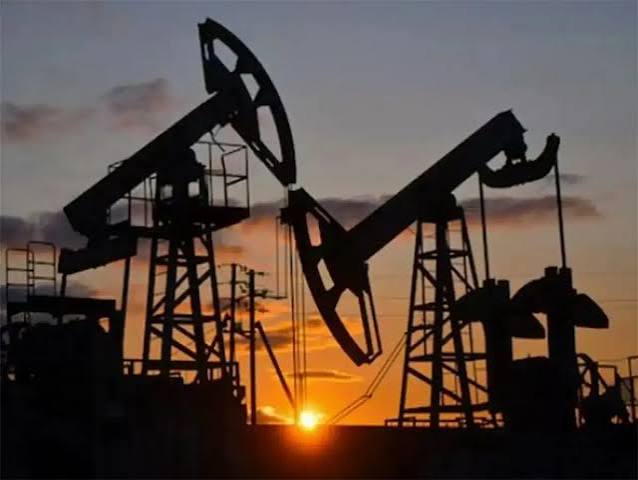
Global oil markets are facing a shrinking supply buffer after more than one billion barrels were released from commercial inventories during this year’s Middle East crisis, leaving the market more exposed to further disruptions and price increases.
Saudi Aramco Chief Executive Amin Nasser said less than six billion barrels remained in commercial inventories globally, with only a limited portion readily available to the market.
More than one billion barrels have been drawn down from mainly onshore commercial stocks since the Middle East crisis began, as governments and energy companies sought to cushion the impact of supply disruptions linked to conflicts in the Middle East and Ukraine.
The International Energy Agency (IEA) is preparing to release another 100 million barrels of crude and diesel to ease pressure on the market, particularly rising diesel prices.
Nasser said only around 10% or less of existing inventories were effectively available, highlighting the limited capacity for further emergency drawdowns.
Global oil demand is currently around 102 million barrels per day, according to the IEA.
US oil reserves hit 1982 low
The pressure on global inventory buffers is also reflected in the United States, where crude stocks in the Strategic Petroleum Reserve have fallen to their lowest level since October 1982, according to US Department of Energy data.
Chevron Chief Executive Mike Wirth said the depletion of inventories had made the oil market more fragile and raised the floor for crude prices.
Industry executives expect the tight supply cushion to persist beyond 2027, warning that rebuilding inventories while meeting global demand could take years.
The situation is also prompting producers and energy companies to reconsider export routes around the Middle East.
Disruptions to shipping around the Strait of Hormuz and Bab el-Mandeb have increased interest in pipelines that can bypass major maritime chokepoints and provide alternative routes for crude exports.
TotalEnergies Chief Executive Patrick Pouyanne said the industry needed to move away from a “just-in-time” approach towards greater supply resilience.
The company plans to participate in an Iraq-to-Syria pipeline project and invest in expanding a pipeline system that transports oil to the UAE port of Fujairah, bypassing the Strait of Hormuz.
Other producers and oil companies are also exploring alternative export routes for Iraqi and Gulf crude as the industry seeks to reduce its exposure to disruptions along key shipping corridors.
The tightening oil inventory cushion is adding to concerns about the market’s ability to respond to another major supply shock, particularly as global demand remains above 100 million barrels per day.