

United Nations Secretary-General António Guterres has launched the Global Grids Accelerator, a new initiative designed to mobilise investment in electricity infrastructure across Africa and South-East Asia and help governments translate energy priorities into bankable, operational projects.
The initiative will bring together policy expertise, project preparation, financing and implementation support to advance grid investments identified by governments and regional institutions.
Its launch addresses a growing challenge in the global energy transition, where renewable power generation is expanding rapidly but electricity networks are struggling to keep pace.
More than 2,500 gigawatts of renewable energy projects are currently stalled in grid-connection queues worldwide, equivalent to nearly twice the entire electricity generation capacity of the United States.
Global annual investment in electricity grids, estimated at US$450 billion, needs to increase by approximately 50 per cent by 2030 to accommodate rising electricity demand and record renewable energy additions.
The International Energy Agency also estimates that more than 80 million kilometres of electricity grids will need to be added or refurbished by 2040, roughly equivalent to the entire global grid infrastructure currently in existence.
Guterres said the mismatch between renewable energy expansion and grid development threatens to undermine progress towards a clean energy future.
“Renewables are booming, but the grids that carry clean power are not keeping pace. Grids are the arteries of the energy transition,” he said.
He added that the accelerator would help mobilise the expertise, finance and support required to expand electricity access, strengthen energy security and power economic growth in developing countries.
Supporting Africa’s electricity ambitions
In Africa, the Global Grids Accelerator will build on existing continental, regional and national initiatives, including the Continental Power System Master Plan, the African Single Electricity Market, the Programme for Infrastructure Development in Africa and Mission 300.
Working with African governments, the African Union Commission, development banks and other partners, the initiative will support priority grid investments, regional interconnections and infrastructure development to expand access to reliable and affordable electricity.
The accelerator will also complement existing efforts to connect 300 million Africans to electricity by 2030 under Mission 300, a joint initiative of the African Development Bank Group and the World Bank Group.
African Development Bank President Sidi Ould Tah said the initiative would reinforce the foundations of Mission 300 while facilitating access to modern, reliable and affordable electricity for millions more people and businesses.
Coordinating international support
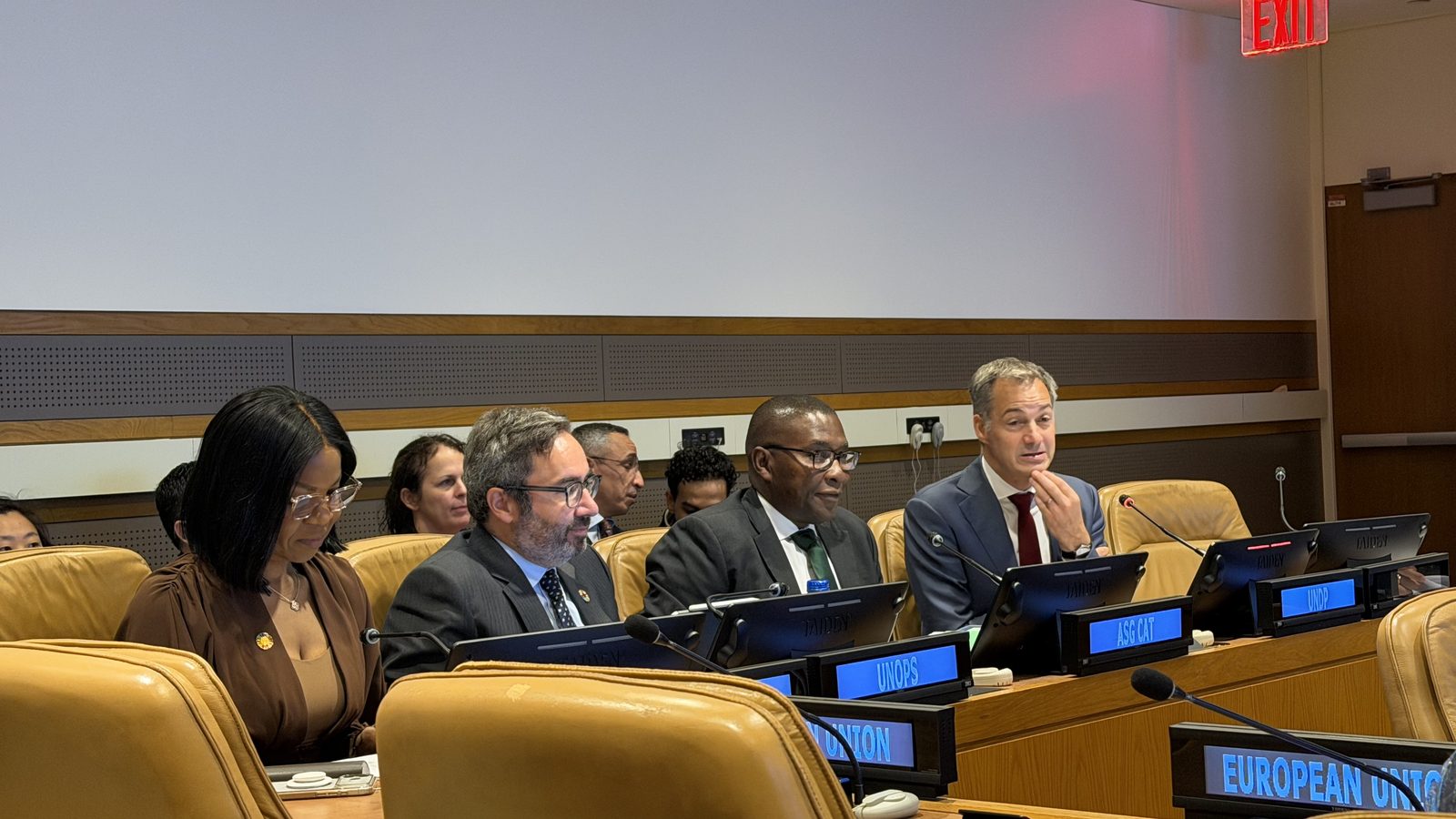
The initiative will be convened by the United Nations Development Programme, the UN Office for Project Services and Sustainable Energy for All, working alongside the Economic Commission for Africa, the Economic and Social Commission for Asia and the Pacific, the UN Industrial Development Organization, the UN Conference on Trade and Development and other UN entities.
It will also engage multilateral development banks, including the African Development Bank, World Bank, Asian Development Bank and European Investment Bank, alongside investors, utilities, technology providers and industry.
Rather than establishing a new financing institution, the accelerator will coordinate existing expertise and resources to help countries overcome policy, regulatory and institutional barriers that often prevent energy plans from advancing to implementation.
By connecting governments with technical partners, financiers and project delivery institutions, the initiative seeks to accelerate grid modernisation, improve regional electricity trade and ensure that expanding renewable energy capacity translates into reliable power for households, businesses and industries..