
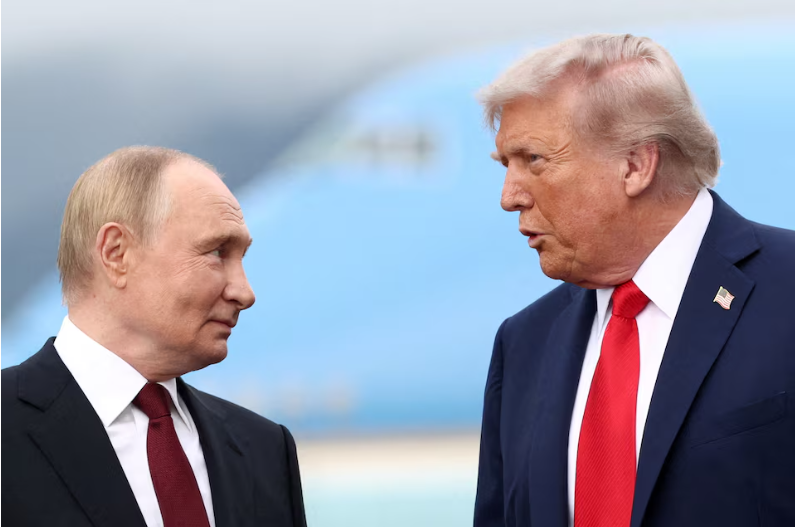

A Malta-flagged tanker carrying 40,000 metric tons of Russian diesel is heading to New York following an agreement between Russian President Vladimir Putin and US President Donald Trump, according to LSEG shipping data on Friday.
The tanker, Agioi Fanendes, loaded ultra-low sulphur diesel at Russia’s Baltic port of Primorsk on October 22 and is expected to arrive in the United States on November 7. The shipment comes as Trump seeks to lower diesel prices ahead of the November 3 US midterm elections.
Trump has taken several measures to ease fuel prices, including waiving parts of a new sanctions law against Russia and threatening to ban US diesel exports to Europe unless European countries release more fuel from their emergency reserves.
Under the agreement, Russia agreed to lift its self-imposed ban on diesel exports and resume supplies to global markets, including the United States. Trump announced on October 9 that Russia would immediately export 300,000 metric tons of diesel, followed by 500,000 tons in November and another one million tons thereafter.
Russia is expected to increase diesel exports to between three million and 3.5 million metric tons per month by the end of 2026, returning to its usual export levels, Deputy Prime Minister Alexander Novak said last week.
Several diesel cargoes were loaded at Primorsk last week, although their final destinations remain unclear. LSEG shipping data showed that many vessels were signalling destinations including Gibraltar, the Atlantic coast and Port Said.
Since the European Union’s full embargo on Russian oil products took effect in February 2023 following Russia’s invasion of Ukraine, Russia has redirected much of its diesel exports to markets such as Brazil, Turkey and several African countries.
The shipment to New York signals a potential shift in Russian diesel trade flows as Washington seeks to increase fuel availability and ease pressure on domestic prices. However, the cargo’s arrival on November 7 will come after the US midterm elections, limiting its potential to influence prices before voting day.