
Ghana’s petroleum sector has recorded a major financial milestone, with the country’s Petroleum Fund investments reaching $1.4 billion by the end of 2024, according to the latest report from the Bank of Ghana (BoG). This growth, detailed in the second-half performance report under the Petroleum Revenue Management Act (PRMA), reflects strong oil revenue inflows and disciplined financial management of the country’s petroleum wealth.
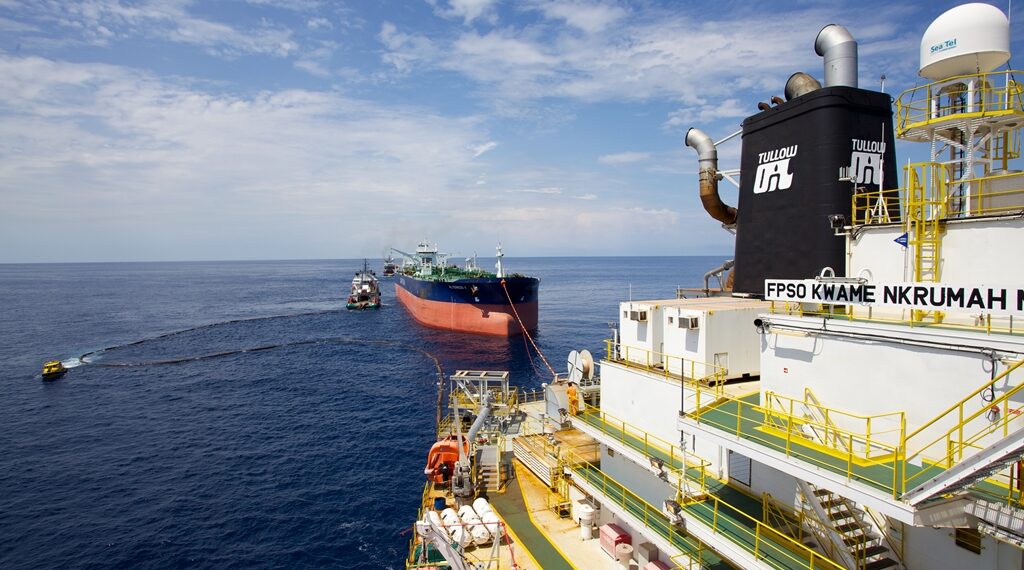
The sharp increase in fund investments comes amid higher crude oil earnings, driven by Ghana’s expanding offshore oil operations. Crude oil lifting alone generated $543 million, with additional revenue streams—including corporate taxes from oil and gas firms, surface rentals, and income from the Petroleum Holding Fund (PHF)—contributing another $144 million.
This revenue surge enabled a total of $454 million to be allocated to the Ghana Petroleum Funds, with strategic investments aimed at securing long-term economic stability and cushioning the country against oil market volatility.
Strengthening Financial Resilience
A key highlight of the report is the allocation of petroleum revenues to Ghana’s two primary sovereign wealth funds: the Ghana Heritage Fund (GHF) and the Ghana Stabilisation Fund (GSF). Of the $454 million deposited, $317 million was directed to the GHF, a fund designed to preserve wealth for future generations, ensuring that Ghana’s oil resources provide economic benefits long after production declines.
The GSF, which serves as a buffer against short-term revenue shocks, received $136 million. This fund plays a crucial role in stabilising the economy, especially during periods of global oil price fluctuations, and helps mitigate the risks associated with commodity price volatility.
By adhering to the Petroleum Revenue Management Act (PRMA), Ghana has continued to prioritise transparency and accountability in managing its oil wealth. The structured allocations reinforce the country’s commitment to prudent resource management, balancing short-term economic needs with long-term financial sustainability.
Managing Risks and Maximising Long-Term Benefit
The rise in petroleum revenue reflects strong operational performance in Ghana’s oil sector, with production from key offshore fields—such as Jubilee, TEN, and Sankofa—maintaining stable output levels. Favourable global oil prices have also boosted government revenues, creating more fiscal space for investments in critical sectors.
Beyond revenue collection, Ghana’s ability to effectively invest and manage its petroleum funds will be crucial for long-term economic transformation. However, the challenge remains in ensuring sustained revenue growth while diversifying the economy beyond oil dependency.
Volatile crude oil prices, shifting global energy policies, and the accelerating transition toward renewable energy could impact future earnings. Ghana must therefore adopt a forward-looking investment strategy, ensuring that petroleum revenue is effectively reinvested into infrastructure, education, and industrialisation to build a resilient economy.
The Bank of Ghana’s report underscores the importance of maintaining fiscal discipline and ensuring that petroleum revenues are managed transparently. By reinforcing its regulatory framework and strengthening governance structures, Ghana can continue to leverage its oil wealth for sustainable development while preparing for a post-oil economic future.