

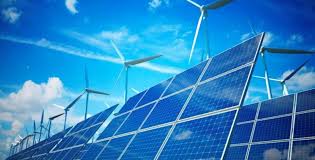
Ghana is being urged to shift decisively toward renewable energy as the country faces rising energy demand, climate change, and the need for sustainable development.
In the face of growing population and development goals, experts argue that Ghana must transition from its heavy reliance on fossil fuels and hydropower to solar, wind, and biomass sources to secure long-term energy stability.
Despite possessing abundant solar radiation (5.5 kWh/m²/day), strong coastal winds, and untapped biomass potential, renewables make up less than 1% of Ghana’s energy mix, exposing the country to energy shortages during erratic rainfall seasons.
Global energy trends and climate science underscore the urgency of this shift—countries like Denmark and Germany now generate over 50% of their electricity from renewables, while the IPCC warns of rising global temperatures if fossil dependence continues.
For Ghana, diversifying its energy sources not only ensures stable power but directly supports food security, particularly in agriculture, which employs over half the population and suffers from electricity-related losses.
Renewables such as solar-powered irrigation and biogas can decentralize energy access, cut greenhouse emissions, and reduce post-harvest losses, which currently reach 30% annually.
The energy-food security nexus makes renewable energy a dual solution for Ghana’s environmental and socio-economic challenges.
To achieve this transition, Ghana must implement strong policy incentives like tax breaks, feed-in tariffs, and community capacity-building for renewable installation and maintenance.