
Ghana is bracing for potential power disruptions as the country struggles to settle a $75 million debt owed to N-Gas Limited, a key supplier of natural gas for electricity generation. The looming crisis underscores the fragile state of Ghana’s energy sector, where financial constraints, operational inefficiencies, and mounting debts continue to pose significant risks to power stability.
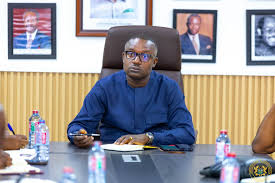
During a working visit to the West African Gas Pipeline Company (WAPCo) station in Tema on February 21, the Minister for Energy and Green Transition, Dr. John Abdulai Jinapor, appealed to Ghanaians for patience, assuring that the government is making urgent efforts to address the debt situation while minimising disruptions to power supply.
Mounting Debt and a Fragile Energy Sector
The debt owed to N-Gas, which supplies natural gas to Ghana via the West African Gas Pipeline, has reached a critical point, with the company officially notifying the Volta River Authority (VRA) of its intent to suspend supply if payments are not made. Such an action could have dire consequences for Ghana’s electricity supply, given the country’s heavy reliance on gas-fired power plants.
The situation is further compounded by Ghana’s limited generation reserve margin, which makes the power sector highly vulnerable to shortages. A sudden reduction in gas supply would significantly strain electricity generation, potentially leading to prolonged outages across the country.
Dr. Jinapor acknowledged these risks, stating that President John Dramani Mahama and Finance Minister Dr. Cassiel Ato Forson are actively mobilising funds to settle part of the debt and avoid a supply cutoff. However, with financial constraints tightening around Ghana’s energy sector, the path to a sustainable resolution remains uncertain.
The Broader Financial and Structural Crisis
Ghana’s current predicament is not an isolated event but a symptom of deeper financial and structural challenges plaguing the power sector. Over the years, inefficiencies in revenue collection, high operational costs, and unsustainable government subsidies have led to a growing debt burden.
Independent Power Producers (IPPs), gas suppliers, and other energy stakeholders have frequently raised concerns over delayed payments, warning that continued financial distress could jeopardise the entire power value chain. The debt owed to N-Gas is just one part of a larger pattern of outstanding obligations that have left Ghana’s energy sector in a precarious position.
Power Supply at Risk: Can the Government Avert a Crisis?
With the potential suspension of gas supply hanging over the country, Ghana’s power grid faces an uncertain future. While Dr. Jinapor reassured the public that contingency measures are being explored, the risk of power disruptions remains high. He commended the Ghana Grid Company (GRIDCo) and other power producers for their efforts to maintain stability and urged the Electricity Company of Ghana (ECG) to act swiftly in addressing any unexpected challenges.
But in a sector already stretched thin, short-term interventions may not be enough. Without concrete financial reforms and sustainable payment structures, Ghana could continue facing recurrent energy crises.
Government Dismisses ECG Sale Rumours
Amid ongoing debates about Ghana’s energy future, Dr. Jinapor firmly dismissed reports suggesting that the government is planning to sell the Electricity Company of Ghana (ECG). Instead, he clarified that the government is seeking private sector participation to improve operational efficiency and financial sustainability.
“The news items, the publication, and the commentary by some people who should know better that we are selling ECG—it’s not true. It will not be sold, but we want some private sector participation to bring about a high level of efficiency, reduce the losses, and increase the revenue base so that we can pay for some of these bills we are talking about,” he stated.
What Lies Ahead?
As the government scrambles to negotiate a settlement with N-Gas and implement stopgap measures, Ghanaians are watching closely. The current crisis is a stark reminder of the urgent need for long-term financial restructuring in the energy sector. While officials are confident that a solution will be reached, only time will tell whether Ghana can navigate this latest challenge without plunging into a full-blown power crisis.