

The Ministry of Energy and Green Transition has reaffirmed Ghana’s commitment to advancing sustainable energy development as a driver of economic growth, innovation, and social inclusion, while calling for stronger continental cooperation and investment in clean energy infrastructure.
Speaking on behalf of the Minister at the 3rd SPE Ghana Biennial Summit and Exhibition in Accra, Director of Petroleum at the Ministry, Mr. Mark Prempeh, emphasized that Africa’s energy challenge is not a lack of resources but the need for coordinated strategy, investment, and execution to translate resources into development outcomes.
He noted that while hydrocarbons remain a key part of Africa’s energy mix in the medium to long term, greater attention must be placed on renewable energy sources such as solar, wind, and hydro to address energy poverty and drive industrial growth across the continent.
Mr. Prempeh highlighted the importance of leveraging Africa’s critical minerals—including lithium, cobalt, nickel, manganese, and graphite—to develop local battery storage and solar manufacturing industries, describing them as key to unlocking innovation and reducing the cost of renewable energy systems.
He also stressed the role of sustainable energy in reducing inequality, particularly through the expansion of mini-grids and solar home systems to reach rural and hard-to-access communities, improving access to education, healthcare, and clean cooking solutions. He cited Ghana’s clean cooking policy, which promotes the distribution of improved cookstoves to reduce dependence on firewood and improve health outcomes.
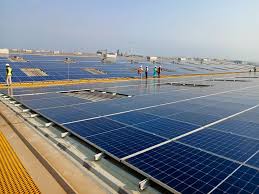
According to him, the Ministry is implementing several flagship initiatives, including a Renewable Energy and Green Transition Fund, a Water-Energy-Food Nexus programme, and a target to deploy 1,400 megawatts of renewable energy capacity by 2030.
He further called for increased regional integration, citing cross-border energy projects such as the West African Gas Pipeline, alongside stronger trade cooperation under the African Continental Free Trade Area to support energy access and infrastructure development.
The summit brought together policymakers, industry leaders, and academics under the theme “Sustainable Energy for Africa: Powering Growth, Innovation and Inclusion.”