

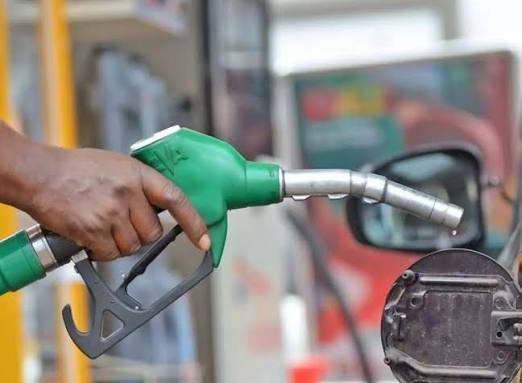
The Chief Executive Officer of the Chamber of Oil Marketing Companies (COMAC), Dr. Riverson Oppong, has indicated that fuel prices are expected to decline from July 16, 2026, despite ongoing geopolitical tensions in the Middle East.
Speaking on PM EXPRESS Business Edition with George Wiafe on July 9, 2026, Dr. Oppong said the anticipated reduction is based on current trends in the international petroleum market and expectations for price movements in the coming weeks.
He noted that even if the conflict in the Middle East intensifies, the most likely outcome for the second pricing window of July would be for pump prices to remain unchanged rather than increase.
Dr. Oppong also attributed the projected price reduction to the relative stability of the Ghana cedi over the past month, saying the local currency’s performance has helped create favourable conditions for lower fuel prices.
He dismissed suggestions that oil marketing companies deliberately delay passing on price reductions to consumers, insisting that the industry is prepared to reflect favourable market conditions in retail prices during the upcoming pricing window.
Commenting on the recent review of the petroleum industry’s price floor, Dr. Oppong said the decision had the full backing of industry players, describing it as an important measure that has helped protect businesses operating in the downstream petroleum sector.
Last month, the National Petroleum Authority (NPA) revised the industry’s minimum fuel price thresholds downward for the June 16–30, 2026 pricing window.
Under the revised pricing framework, the minimum price for petrol was reduced from GH¢15.20 per litre to GH¢13.39, while the floor price for diesel declined from GH¢15.49 to GH¢15.11 per litre.
The NPA directed all oil marketing companies to comply with the approved minimum prices, prohibiting the sale of fuel below the prescribed rates.
The adjustment came after the government discontinued its intervention programme that had been introduced to cushion consumers against rising global crude oil prices.
Dr. Oppong had previously forecast another reduction in pump prices from July 16, citing favourable conditions in the international oil market.
According to COMAC, the reductions implemented from July 1 were mainly driven by lower global crude oil prices and declining prices of refined petroleum products.
The fall in international crude prices was supported by weaker crude imports by China, record-high crude exports from the United States and continued releases from strategic petroleum reserves by member countries of the International Energy Agency (IEA).