
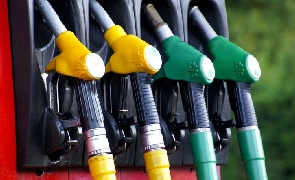
Star Oil Ghana Chief Executive Mr. Philip Tieku said his company could have sold petrol at GH¢9.50 per litre during off-peak hours to support night-time economic activity, but is constrained by Ghana’s fuel price floor policy.
Mr. Tieku said the National Petroleum Authority’s (NPA) minimum pricing rule makes such discounts impossible, despite lower demand between 10 p.m. and 4 a.m.
In a social media post, he questioned the rationale behind the policy, arguing it undermines competition in what is officially a deregulated downstream petroleum market.
Regulators, however, say the price floor is designed to prevent predatory pricing and protect smaller oil marketing companies from being forced out by larger players.
Ghana fully deregulated its downstream petroleum sector in July 2015, but later introduced the price floor to safeguard competition, supply stability and consumer welfare.
The debate comes as fuel prices begin to decline nationwide amid falling international petroleum costs.
On Jan. 16, several oil marketing companies cut pump prices after projections showed a more than 3% drop in fuel costs during the current pricing window.
State-owned GOIL reduced petrol prices from GH¢10.99 to GH¢9.99 per litre.
Market leader Star Oil followed, cutting petrol to GH¢9.97 per litre and diesel to GH¢10.97 per litre.
The company said the reductions are part of a broader nationwide discount strategy aimed at easing pressure on consumers while remaining competitive.