

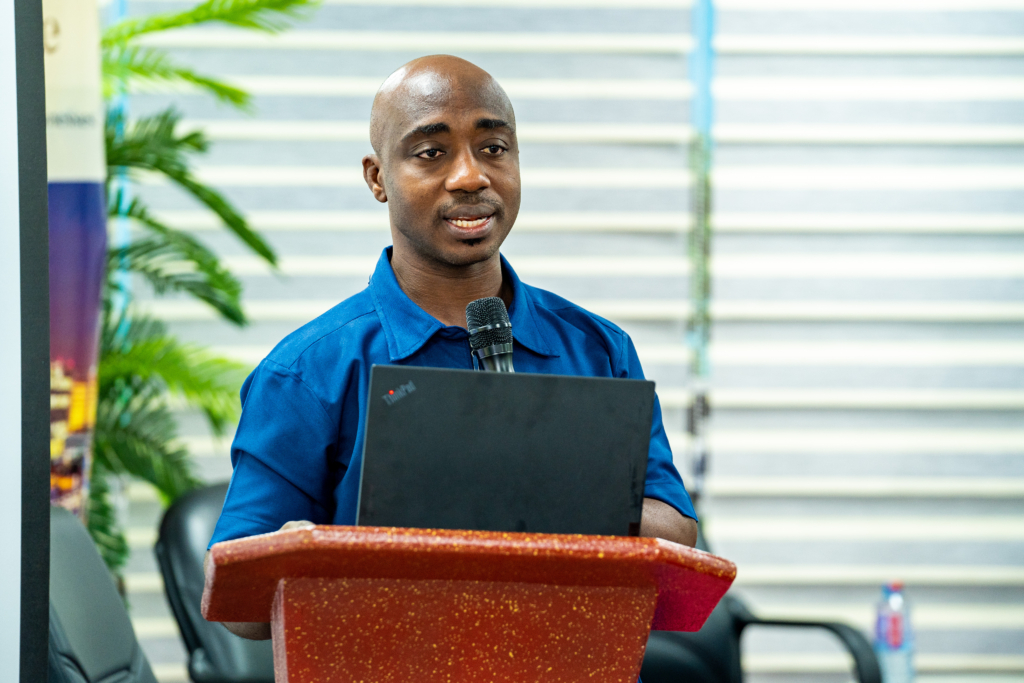
Yaw Appiah Lartey, Strategy and Transactions Partner at Deloitte Ghana and Africa Infrastructure Leader, emphasized the importance of de-risking energy projects to attract investment and secure commitments from financial institutions. Speaking at the Future of Energy Conference Africa, he noted that blending innovation with risk mitigation and strong partnerships is crucial for achieving bankability in energy initiatives, even in Africa’s high-risk markets. Lartey highlighted that translating ideas into structured, de-risked opportunities can draw capital to clean energy projects.
He outlined key stages for bankable projects, starting with thorough idea validation and feasibility studies, which should include resource assessments for solar, wind, and hydro energy. He cited IRENA data indicating that over 60% of failed African energy projects are due to weak feasibility studies, referencing Kenya’s successful Lake Turkana Wind Power Project as an example of effective wind mapping.
To structure business models and secure early commitments, Lartey stressed the need for engagement with governments, utilities, and Development Finance Institutions (DFIs). He pointed out that more than 70% of African energy projects are developed as Public-Private Partnerships (PPPs), highlighting Ghana’s Bui Dam as a notable example.
Lartey also addressed barriers to financing, including regulatory challenges, corruption, and a lack of skilled labor. He recommended various de-risking tools and innovative financing strategies, such as blended finance, political risk insurance, and stronger community engagement, to enhance project sustainability and attract investment.