

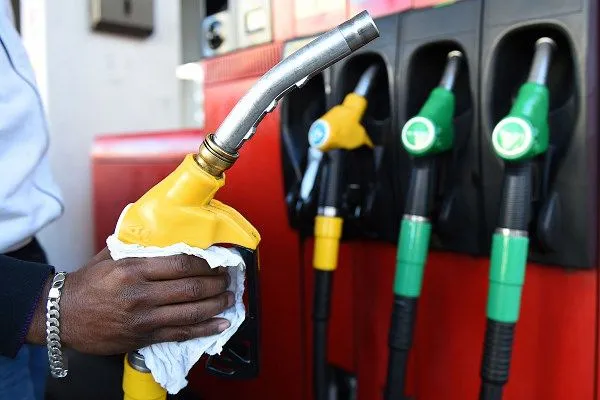
Four civil society organisations — IMANI Africa, Chamber of Petroleum Consumers Ghana, Institute for Energy Security, and INSTERPR — are calling for a GH¢1.65 reduction in fuel prices per litre for a two-month period, arguing that stronger and longer relief measures are needed to ease pressure on consumers.
In a joint statement issued on April 14, 2026, the groups urged government to significantly reduce taxes, levies, and margins embedded in the petroleum pricing structure to provide meaningful relief to the public.
The proposal comes in response to a directive from President John Dramani Mahama, who instructed the Ministries of Energy and Finance to assess the fuel pricing framework and recommend temporary mitigation measures.
The CSOs noted that while fiscal caution is necessary to protect the stability of the petroleum sector, the relief measures under consideration should not undermine operational sustainability.
According to the organisations, the proposed GH¢1.65 reduction would be achieved by adjusting several components in the price build-up, including the Road Fund Levy, Energy Fund Levy, Special Petroleum Tax, as well as margins such as BOST and fuel marking.
They further proposed a 50% reduction in the Unified Petroleum Pricing Fund (UPPF) and a full removal of the Price Stabilisation and Recovery Levy (PSRL), while maintaining the Energy Sector Shortfall and Debt Repayment Levy.
The groups argued that the relief should last for two months rather than the four-week period reportedly being considered, to ensure more meaningful support for consumers amid rising living costs.
They also maintained that government has sufficient fiscal space to implement the reductions, pointing to expected revenue gains from crude oil production and exports.
Beyond immediate relief, the organisations called for long-term reforms in the downstream petroleum sector, including rationalisation of fuel taxes and levies, the creation of a strategic fuel reserve fund, and renewed investment in the Tema Oil Refinery to strengthen local refining capacity.
They further reminded government of earlier commitments to modernise the refinery and reduce reliance on imported refined petroleum products.