

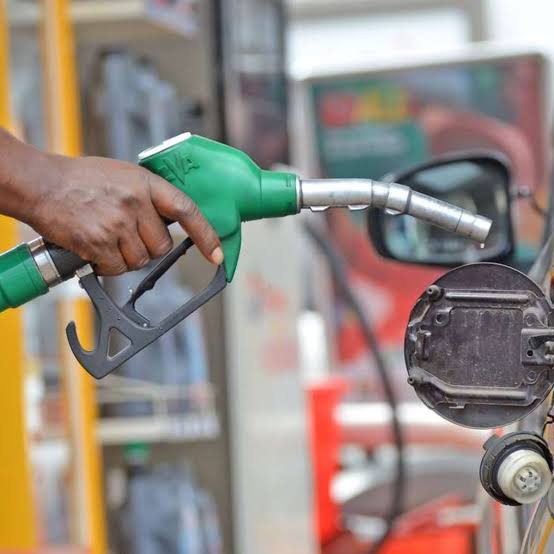
Motorists in Ghana could soon experience daily fuel price adjustments instead of the long-standing fortnightly pricing regime, following a shift by Bulk Oil Distribution Companies (BDCs) to spot pricing in response to heightened volatility on the international oil market.
The change means Oil Marketing Companies (OMCs) may increasingly revise pump prices whenever global petroleum prices or exchange rates fluctuate significantly, rather than waiting for the pricing windows on the 1st and 15th of each month.
Chief Executive of the Chamber of Bulk Oil Distributors, Dr Kweku Ofori, said the industry has fundamentally changed its pricing approach because of unpredictable movements in global crude oil prices.
According to him, most BDCs now sell petroleum products to OMCs using spot pricing, while others purchase products from international suppliers based on daily pricing triggers.
“The move has been influenced by volatility in crude prices on the world market,” Dr Ofori said, explaining that the downstream petroleum sector could be moving from prices reviewed every two weeks to adjustments made daily.
He also defended recent mid-window fuel price increases, stressing that existing National Petroleum Authority (NPA) regulations permit OMCs to revise pump prices during a pricing window, provided they justify the adjustments to the regulator.
The development follows multiple fuel price increases by several OMCs since the July 16, 2026 pricing window, with some companies adjusting prices two or three times.
Star Oil Chief Executive Philip Tieku said international gasoline prices have risen by nearly 20 percent and diesel prices by about 25 percent since the current pricing window began. He added that the depreciation of the Ghana cedi against the US dollar has further increased the cost of petroleum imports.
According to him, most petroleum products are now purchased on a daily cash-and-carry basis, meaning each shipment reflects prevailing international prices and exchange rates. He said the adjustments are necessary to prevent arbitrage in the market.
Another major OMC, which declined to be named, also defended the practice, saying daily reviews of ex-refinery prices by BDCs leave retailers with little option but to pass higher costs on to consumers. The company added that any future decline in international prices would be reflected at the pumps without delay.
It remains unclear whether the National Petroleum Authority will formally respond to the industry’s growing shift toward daily fuel price adjustments, a development that could significantly change how fuel prices are set and experienced by consumers in Ghana.