

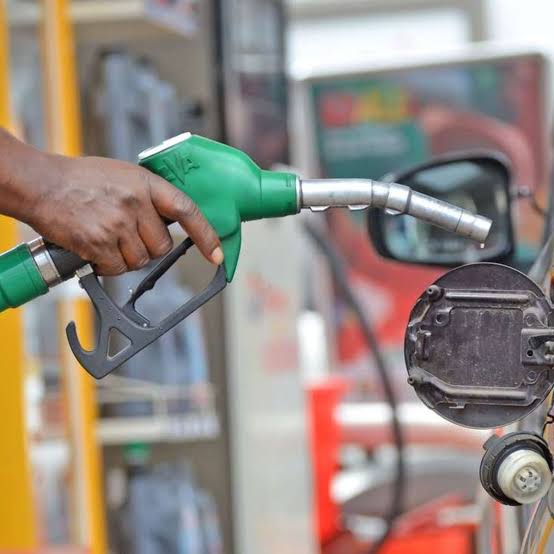
The Chamber of Oil Marketing Companies (COMAC) has confirmed that Oil Marketing Companies (OMCs) have begun cutting diesel prices by GH¢2 per litre following government’s decision to absorb part of the cost to shield consumers from rising fuel prices.
COMAC Chief Executive Officer, Dr. Riverson Oppong, said the intervention would provide some relief to consumers and businesses within the downstream petroleum sector, particularly amid rising international crude oil prices.
Speaking on JoyNews’ Top Story, Dr. Oppong said COMAC was collaborating with the National Petroleum Authority (NPA) and its members to ensure the reduction was reflected at fuel stations. He noted that several OMCs had already adjusted their pump prices from 6:00 p.m. on Monday.
He, however, suggested that extending the intervention to petrol could have offered wider relief, particularly because a significant number of private motorists and commercial transport operators use petrol-powered vehicles.
Dr. Oppong also disclosed that COMAC was not consulted before the government announced the measure, saying the Chamber received the decision as an industry directive.
President John Dramani Mahama instructed the NPA to absorb GH¢2 from the price of every litre of diesel to cushion consumers against an expected increase in fuel prices.
The directive came after projections indicated that diesel prices could rise by about 12.5% from August 1, driven by higher international oil prices and geopolitical tensions involving the United States and Iran. Concerns over oil supplies and shipping through the Strait of Hormuz also contributed to the expected increase.
Following the directive, the NPA lowered the diesel ex-pump price floor for the August 4–15 pricing window from GH¢16.97 to GH¢14.97 per litre.
The move is similar to an intervention introduced in April 2026, when government absorbed GH¢2 per litre on diesel and GH¢0.36 per litre on petrol for one month. That measure reportedly cost more than GH¢200 million per pricing window, although the financial cost of the latest intervention has not been disclosed.