

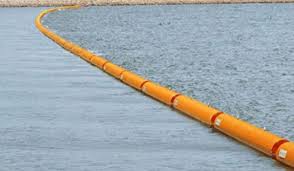
To address the growing issue of plastic waste affecting power generation, floating booms have been installed on the Rusizi River, which supplies electricity to Rwanda, Burundi, and the Democratic Republic of Congo. This initiative comes in response to the negative impact of plastic pollution on both power plants and aquatic life in Lake Kivu. Fidele Ndayisaba, Director-General of SINELAC, reported that waste in the river led to an annual loss of 50 MWh in power generation.
The floating booms serve as barriers to contain debris and pollutants, preventing them from reaching hydroelectric turbines. Since their installation, the Rusizi II plant has seen a significant increase in electricity production, achieving record output and profits. Meanwhile, plans for the Rusizi III hydroelectric dam, set to begin construction in January 2026, aim to provide power to over 300,000 households at a cost of $800 million.
Plastic waste poses a threat to local fish populations, particularly sardines, by disrupting their breeding and introducing harmful chemicals into their ecosystems. Community leaders and environmental officials emphasize the need for further research and stronger waste management practices to protect the lake and its dependent communities. Efforts include public education on the dangers of plastic pollution and monitoring the sources of waste entering water bodies. Local authorities and residents are mobilizing to ensure the cleanliness of Lake Kivu, promoting sustainable practices to preserve both the environment and livelihoods.