

The Rockefeller Foundation has pledged an additional $10 million to accelerate electricity access across Africa, supporting a continent-wide initiative aimed at connecting 300 million people to power by 2030.
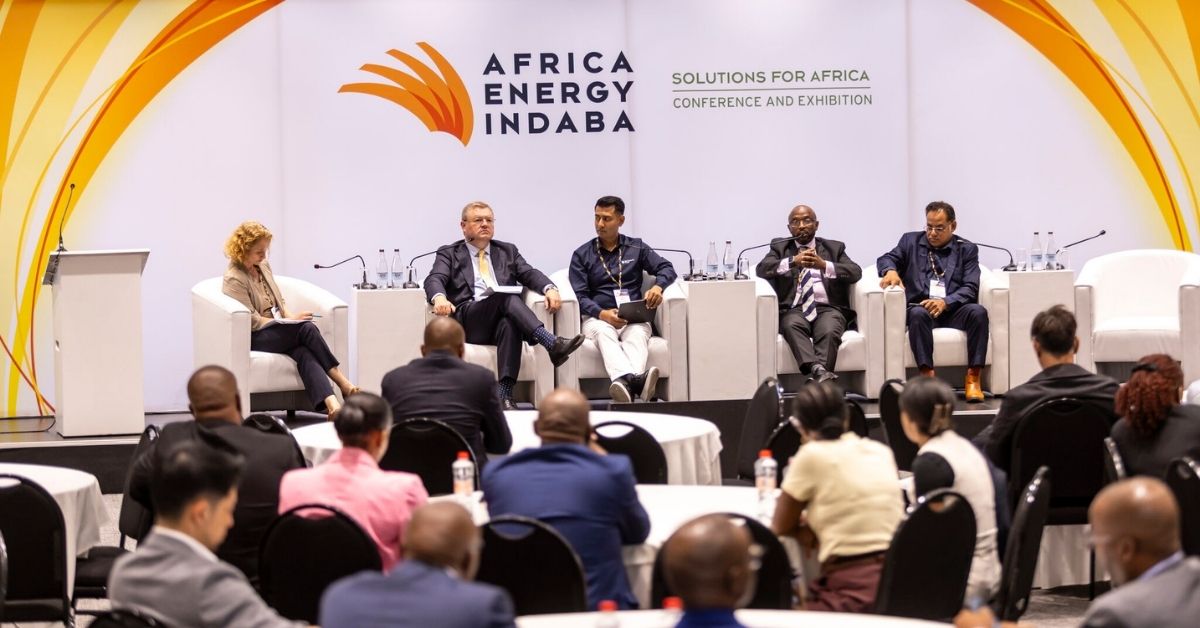
The funding announcement was made on March 5 during Mission 300 Day at the Africa Energy Indaba 2026 in Cape Town, where governments, development financiers and private investors gathered to assess progress in closing Africa’s electricity gap.
The resources will be channelled through the Global Energy Alliance for People and Planet, a partnership designed to mobilise public, private and philanthropic capital to expand energy access and support clean power transitions in developing economies.
According to the foundation, the funds will strengthen implementation capacity in at least 15 African countries by providing technical assistance to national delivery units coordinating large-scale electrification programmes.
The initiative supports Mission 300, a programme led by the World Bank Group and the African Development Bank that combines grid expansion with decentralised renewable solutions such as mini-grids and standalone solar systems.
Despite progress, electricity access remains a major development challenge, with around 600 million of the 730 million people globally without power living in Africa.
Since the programme began, about 44 million people have gained electricity access under Mission 300-linked initiatives, but development institutions say connections must accelerate significantly to meet the 2030 target.
The Rockefeller Foundation said the new financing will support specialised Compact Delivery and Monitoring Units embedded within government institutions to help implement national energy reform plans.
Technical assistance is already supporting electrification programmes in countries including Malawi and Liberia, with additional support extended to Nigeria, Côte d’Ivoire and Senegal through the Mission 300 Accelerator.
Foundation officials said expanding reliable electricity access is critical to Africa’s economic growth, enabling industrial activity, digital services, and improved healthcare and education systems while reducing reliance on costly diesel generation.