

President Hakainde Hichilema has emphasized Zambia’s renewed push to strengthen its power generation capacity and recover electricity export markets that were affected by recent drought conditions.
He made the remarks during the commissioning of the Itimpi II Solar Power Plant in Kitwe, where he noted that reduced hydroelectric output had forced the country to scale back exports, creating space for competitors to capture regional demand.
The President described the situation as a costly setback, stressing that once export markets are lost, they are difficult to reclaim.
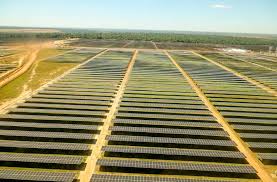
The 136 megawatt solar facility forms part of government’s broader strategy to diversify Zambia’s energy mix and reduce dependence on hydropower, particularly during periods of low rainfall.
Prez. Hichilema explained that Zambia’s long term economic growth relies heavily on exports, adding that the domestic market alone is not sufficient to support the country’s development ambitions.
He said government is now aggressively expanding electricity generation capacity to stabilise supply and regain lost regional markets, while also positioning Zambia to enter new export destinations across neighbouring countries.
The President further highlighted the importance of reaching a national generation target of 10,000 megawatts, noting that sectors such as mining, agriculture, and tourism will require substantial and reliable power supply to sustain growth.
Chairperson of the Copperbelt Energy Corporation, London Mwafulilwa, described the project as a landmark achievement for Zambia and the region, adding that it reflects the country’s growing leadership in clean energy development.
He noted that the project created thousands of jobs during construction and continues to provide permanent employment opportunities for engineers and technical staff.
Chief Executive Officer of CEC, Owen Silavwe, said the solar plant, completed within 14 months, is currently the largest of its kind in Zambia and is expected to generate about 275 gigawatt hours of electricity annually.
He added that the project will help reduce the national power deficit and support key economic sectors, particularly mining and manufacturing, as electricity demand continues to rise.