

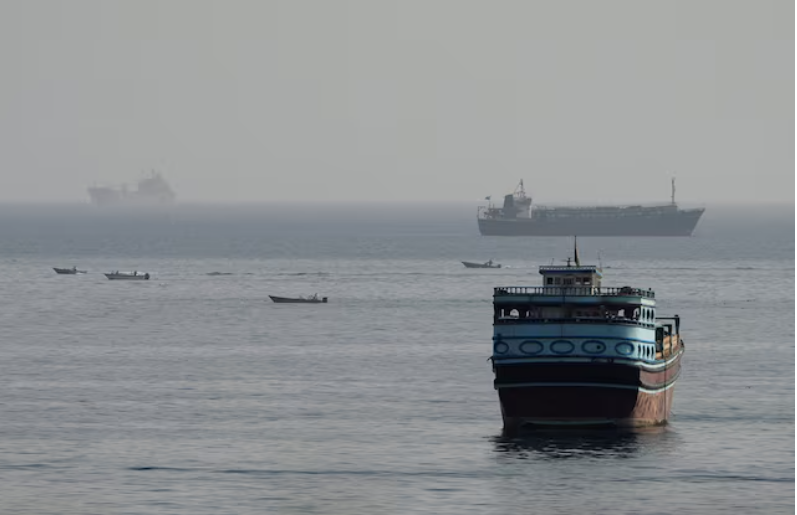
At least three Indian oil refiners and a global energy company plan to avoid vessels named on Iran’s new blacklist, including those involved in ship-to-ship (STS) transfers, citing security concerns.
Iran announced the blacklist on Sunday, naming 45 vessels it accused of violating its rules for crossing the Strait of Hormuz, a critical route for global energy supplies.
The move could disrupt shuttle operations used by Gulf oil producers such as Saudi Arabia and the United Arab Emirates to transport crude and petroleum products through the strait.
Under the arrangements, dedicated tankers carry cargoes through the Gulf before transferring them to other vessels through STS operations near Fujairah in the UAE or Sohar in Oman.
Iran has warned that vessels on the list, as well as ships transferring cargoes with them, could face fines, detention and cargo confiscation.
Several blacklisted tankers are owned or chartered by Saudi Aramco and Abu Dhabi National Oil Co, according to shipping data, although both companies declined to comment.
Shipping and trading firms are reviewing whether to continue STS operations, with some buyers considering delivered cargoes to reduce exposure to vessels operating near the Strait of Hormuz.
The concerns have intensified after Iran attacked several commercial tankers, raising fears among shipowners, charterers, insurers and oil buyers about potential penalties and security risks.
Analysts at Kpler said companies are likely to shift to alternative vessels, trading partners or transfer locations rather than halt Gulf oil flows entirely, but warned that insurance, freight and compliance costs could rise.
The developments underscore growing risks to oil shipments through the Strait of Hormuz, with tighter due diligence expected as companies seek to protect cargoes and vessels from potential Iranian action.