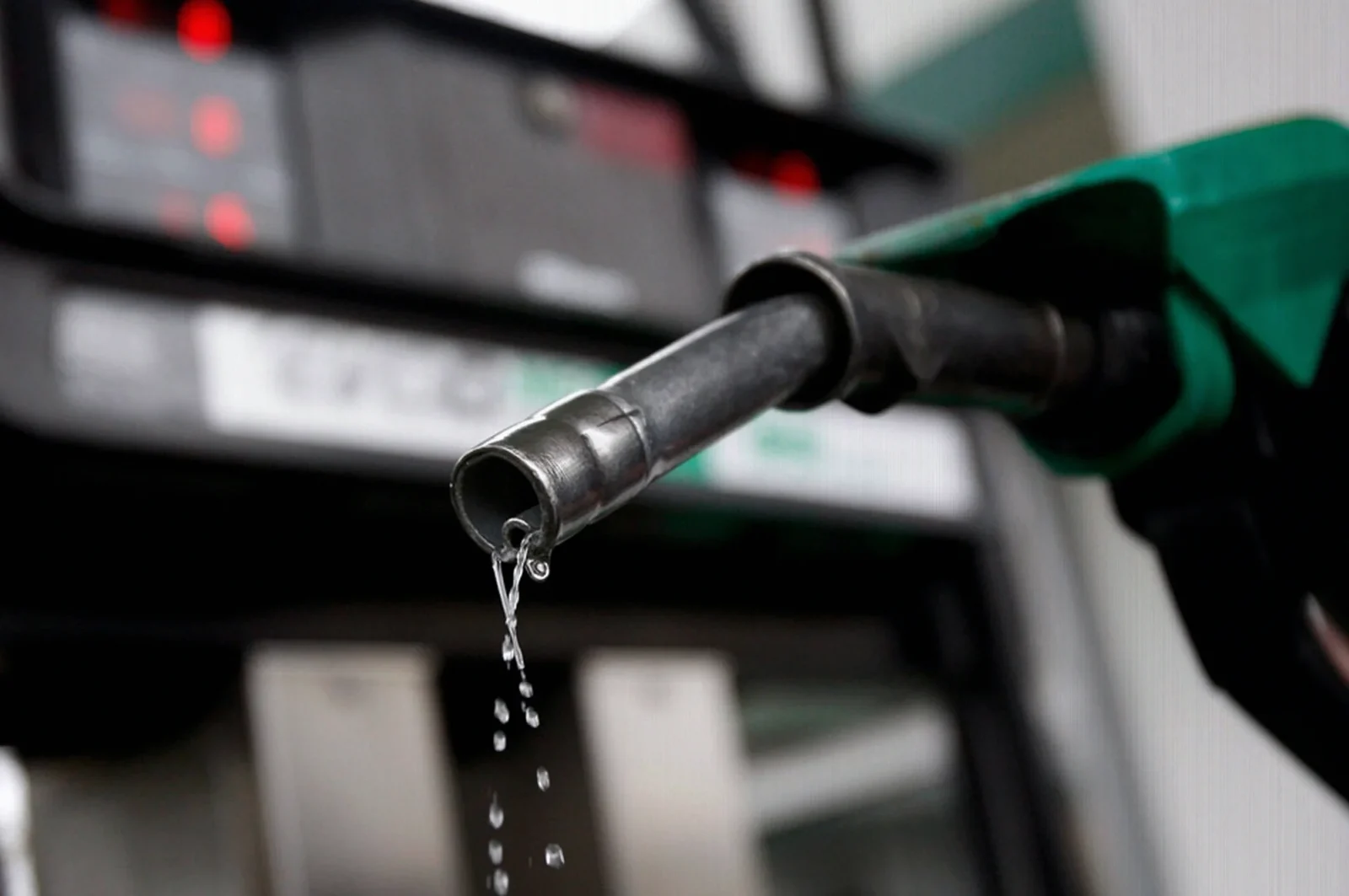

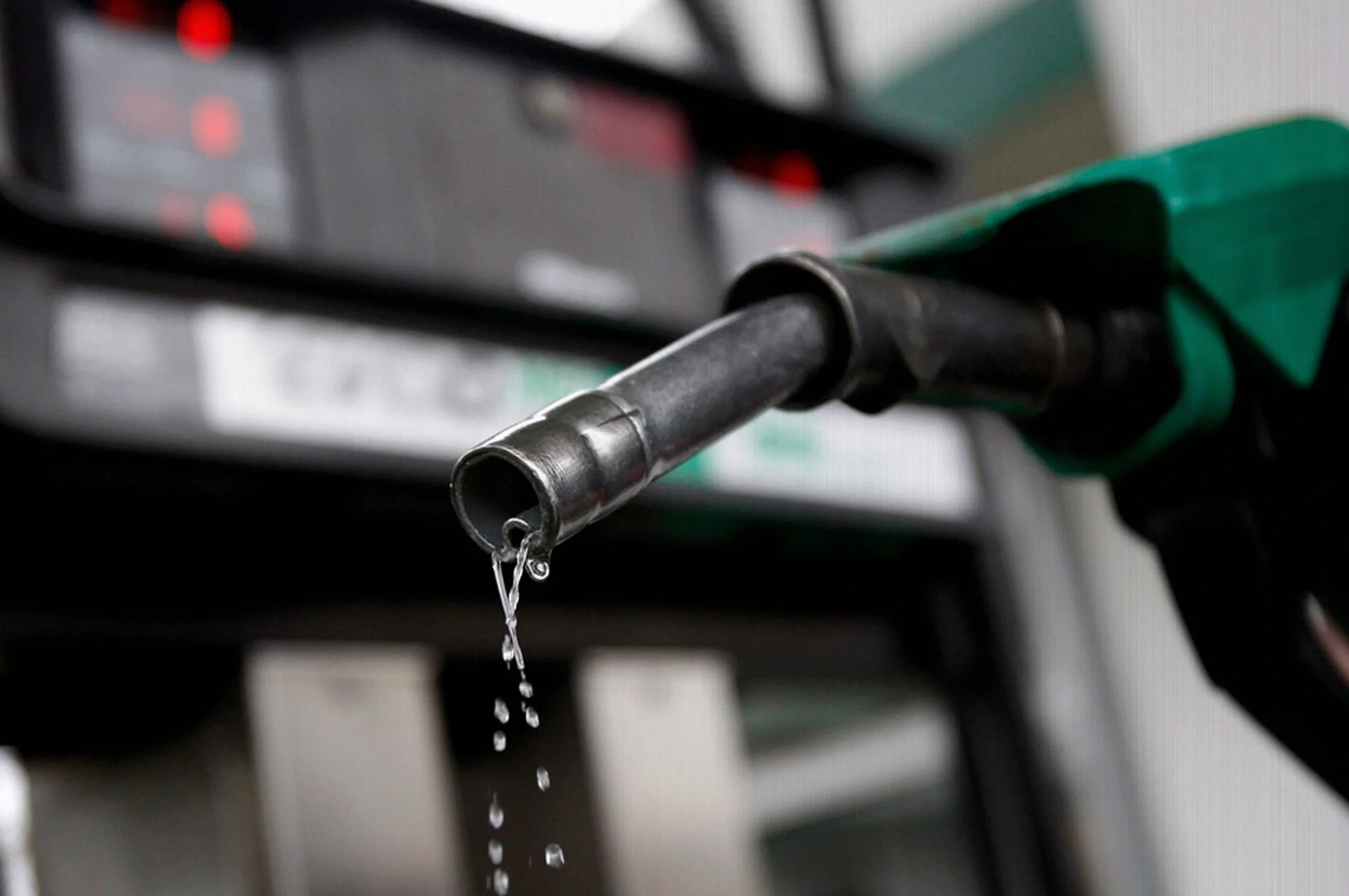
Nigeria’s downstream petroleum regulator has pledged to engage industry players to ensure domestic petrol prices reflect the recent decline in global crude oil prices, noting that retail pump prices have yet to respond to easing international market conditions.
Speaking at a stakeholders’ meeting on cost-reflective pricing of Premium Motor Spirit (PMS) in Abuja, Chief Executive of the Nigerian Midstream and Downstream Petroleum Regulatory Authority (NMDPRA), Rabiu Umar, said the engagement was convened to address the disconnect between falling global crude prices and domestic fuel prices.
Mr. Rabiu Umar noted that international crude oil prices have experienced significant volatility over the past six months due to geopolitical tensions and global conflicts. He explained that although global oil prices have recently moderated as tensions eased, domestic retail petrol prices have yet to reflect the downward trend.
He said it is the regulator’s responsibility to assess prevailing market conditions, identify factors preventing price adjustments, and bridge the gap between lower replacement costs and existing pump prices.
Mr. Umar stated that the reforms introduced by President Bola Tinubu have laid the foundation for a deregulated and more competitive downstream petroleum market. However, he stressed that deregulation should not result in market distortions or unfair pricing practices that disadvantage consumers.
He emphasized that achieving sustainable profitability for marketers must go hand in hand with protecting consumers through fair and timely price adjustments.
Mr. Umar also cited a recent stakeholder engagement in the domestic gas sector, which contributed to a significant reduction in liquefied petroleum gas (LPG) prices, as evidence that collaboration between regulators and industry operators can deliver positive outcomes.
He added that the Authority is strengthening market surveillance, improving inventory management, and accelerating the operationalisation of the National Strategic Stock to enhance Nigeria’s energy security.
Mr. Umar further called on industry stakeholders to work closely with the regulator to develop practical solutions that promote a sustainable downstream petroleum market while safeguarding consumer interests.