
Amina Benkhadra, Director General of Morocco’s National Office of Hydrocarbons and Mines (ONHYM), says Africa is well-placed to emerge as a leading force in the global green energy sector, with Ghana expected to benefit from the proposed Nigeria-Morocco Gas Pipeline project.
Speaking during a virtual event organised by the Stimson Center, Madam Benkhadra explained that ONHYM is pursuing a strategy that combines offshore gas exploration with investments in cleaner energy technologies.
She noted that the organisation is developing hydrogen fuel projects, carbon capture initiatives, and technologies that convert phosphate rock into battery materials such as lithium iron phosphate for electric vehicles.
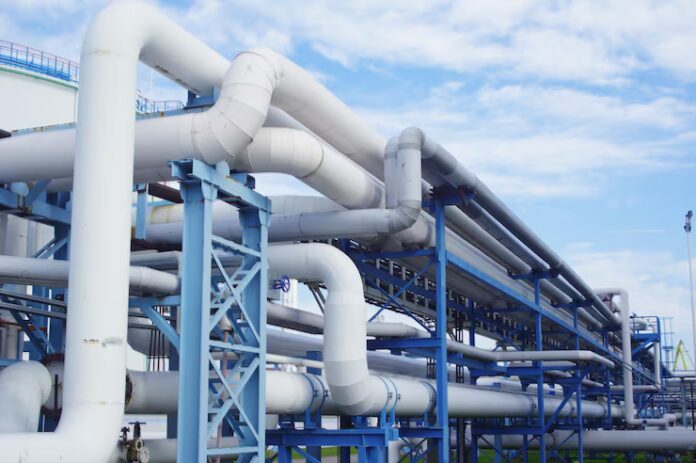
Madam Benkhadra described 2026 as a crucial year for the proposed US$25 billion Nigeria-Morocco Gas Pipeline, which will pass through 13 African countries, including Senegal, Mauritania, Ghana, Côte d’Ivoire, and Liberia.
The project is expected to begin supplying gas by 2031 after all agreements are finalised next year.
She further stated ONHYM’s subsidiary, OMCo, is leading the implementation of the project, which is intended to supply gas to both African nations and European markets. The organisation’s Strategy Director also confirmed that preparations for the project are advancing steadily.
Energy expert Dr. Peter Tutu described the initiative as a politically significant project and stressed the importance of African countries securing fair pricing arrangements and favourable regulations for their gas resources.
For Ghana, the pipeline is expected to generate transit revenue, reduce fuel costs for industries, and strengthen regional trade under the African Continental Free Trade Area.
Nigeria is also seeking Ghana’s support for the project, which aligns with Ghana’s broader industrialisation plans, including the development of a refinery capable of processing 300,000 barrels per day and policies introduced in 2023 to encourage local processing of lithium, graphite, and manganese.