
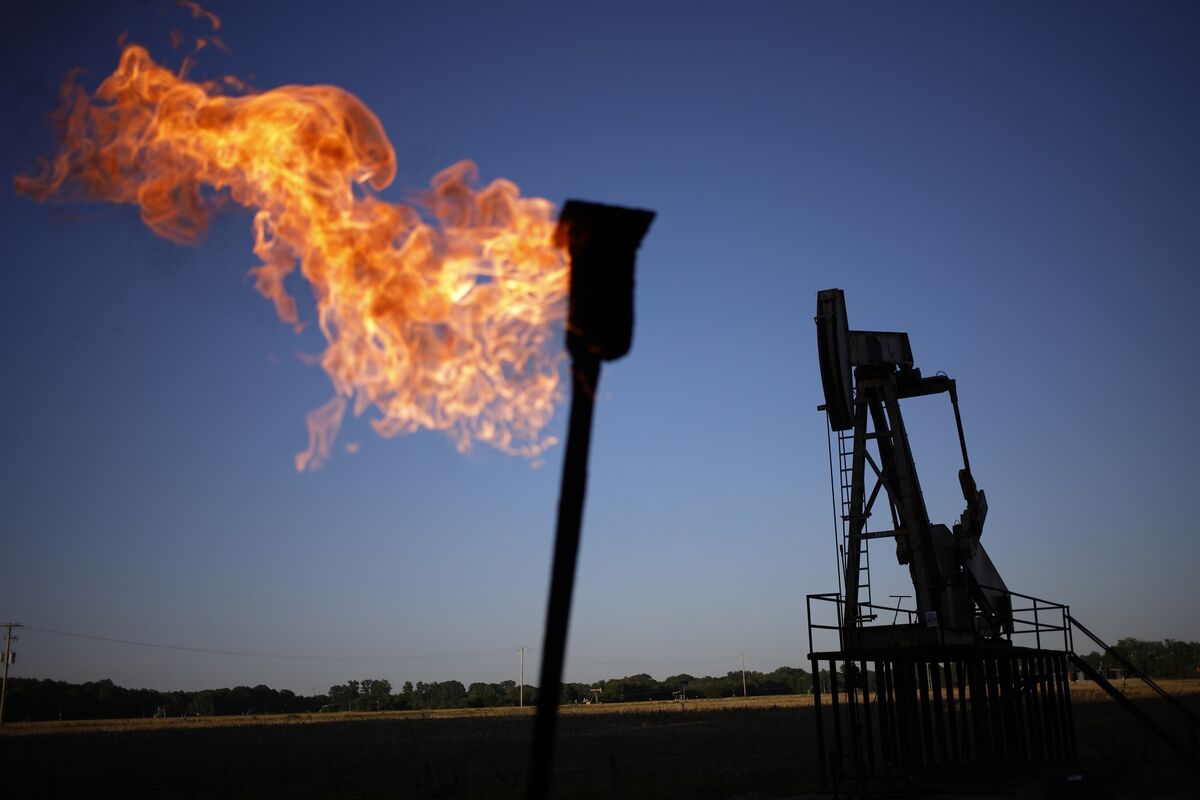

Global gas flaring increased for the third consecutive year in 2025, reaching 167 billion cubic metres (bcm) and wasting an estimated US$54 billion worth of natural gas, according to the 2026 Global Flaring Tracker released by the World Bank Group.
Published by the World Bank’s Global Flaring and Methane Reduction (GFMR) Partnership in collaboration with the Colorado School of Mines’ Payne Institute, the report highlights the growing economic and energy security implications of continued gas flaring.
According to the report, the volume of gas flared globally in 2025 exceeded the amount of liquefied natural gas (LNG) transported through the Persian Gulf during the same period and was equivalent to Africa’s total annual gas consumption.
The report noted that the continued burning of associated gas represents a major lost opportunity, particularly at a time when many countries are grappling with energy shortages, high fuel import costs, and rising demand for affordable and reliable energy.
Nine countries—Russia, Iran, Iraq, Venezuela, Mexico, Libya, Algeria, Nigeria, and the United States—accounted for more than 80 per cent of global gas flaring while producing nearly half of the world’s oil output.
Global Director for Energy at the World Bank Group, Demetrios Papathanasiou, said the economic cost of continued flaring is increasingly unsustainable.
He noted that gas currently being flared could instead be captured to power industries, create jobs, strengthen energy security, and support economic development.
The report estimates that ending routine gas flaring worldwide would require investments of between US$70 billion and US$100 billion—less than twice the annual value of the gas currently being wasted.
Despite the availability of technologies and financing mechanisms to reduce flaring, the report identified inadequate regulation, limited infrastructure, insufficient capital, and weak policy implementation as major barriers to progress.
However, the report highlighted examples of successful interventions, noting that Kazakhstan has reduced gas flaring by 87 per cent since 2012, including a further 16 per cent reduction in 2025 alone.
Manager of the Global Flaring and Methane Reduction Partnership, Zubin Bamji, stressed that the main challenge is no longer technology but leadership and governance, warning that continued inaction will result in billions of dollars in lost revenue and prolonged energy insecurity for millions worldwide.