

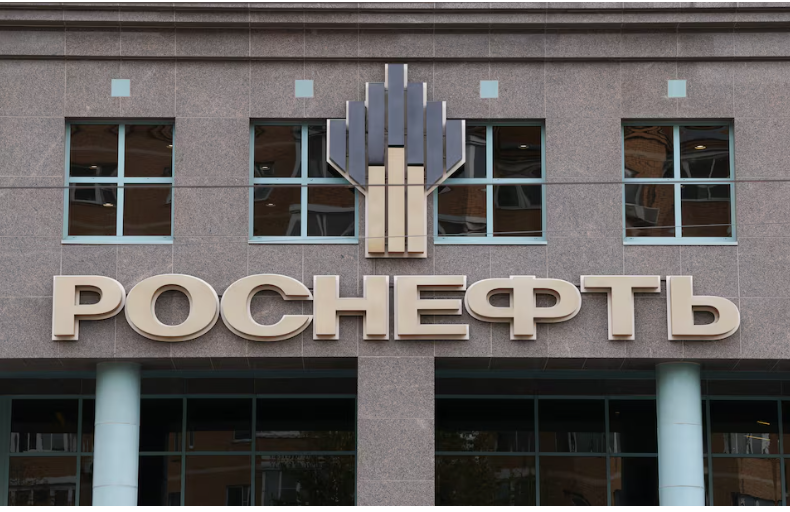
Russian oil companies should be required to direct at least 30% of their crude oil output to domestic refineries, according to a proposal by Rosneft Chief Executive Igor Sechin aimed at strengthening the country’s fuel security.
The proposal was outlined in a letter sent by Sechin to President Vladimir Putin in late May, the Kommersant newspaper reported on Wednesday, citing sources familiar with the matter.
The recommendation comes as Russia faces mounting pressure on its energy infrastructure following intensified Ukrainian drone and missile attacks on refineries and fuel facilities, which have disrupted fuel supplies in several regions.
According to the report, Putin instructed Deputy Prime Minister Alexander Novak to review the proposal and coordinate further action with relevant authorities.
The measure is intended to ensure a stable flow of crude oil to domestic refineries and reduce the risk of fuel shortages in the Russian market.
Russia, the world’s third-largest oil producer, has limited the publication of detailed oil production and export statistics since launching its military campaign in Ukraine in 2022.
The report follows growing concerns over fuel availability, with Novak stating on Tuesday that Moscow is considering a temporary ban on diesel exports to protect domestic supplies.
Russian media have also reported that authorities are examining the possibility of fuel imports to ease shortages, an unusual step for one of the world’s largest energy producers.
The developments underscore the challenges facing Russia’s energy sector as continued attacks on refining infrastructure disrupt production and distribution networks.
Analysts say the proposed domestic processing requirement could help stabilize fuel supplies but may also affect export volumes if implemented.