
The Ghana Energy Transition Consortium has identified inadequate funding as a major challenge hindering the implementation of a just and sustainable energy transition in the country.
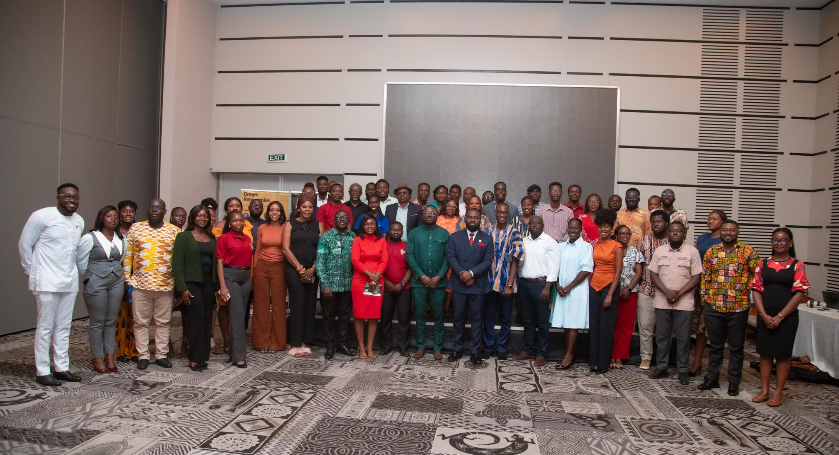
The consortium, made up of civil society organisations including Bantu for Development, Dream Renewables, and Green Faith Ghana, shared impact stories and best practices from its initiatives during a stakeholder engagement held in Accra.
Speaking at the meeting, Convener of the consortium and Executive Coordinator of the Strategic Youth Network for Development, Chibezi Ezekiel, noted that while Ghana has made progress in establishing policies and regulatory frameworks to support the energy transition, financing remains a critical constraint.
“We have made progress as a country in establishing the right frameworks, but increased funding is essential to accelerate implementation and scale impact,” he said.
He further called for enhanced technical support, stronger collaboration among stakeholders, and increased investment to translate national energy transition policies into tangible outcomes.
Mr. Ezekiel also emphasized the importance of youth inclusion and job creation in the transition agenda, stressing that the process must generate real economic opportunities.
“The transition must translate into real opportunities for young people. It is about jobs, innovation, and building a resilient economy,” he said.
Participants at the meeting urged stakeholders to move beyond policy discussions and focus on effective implementation that delivers measurable benefits to communities and supports sustainable development goals.
The engagement forms part of ongoing efforts by the consortium to strengthen collaboration among civil society organisations and reinforce their role in Ghana’s energy transition beyond advocacy and accountability.