
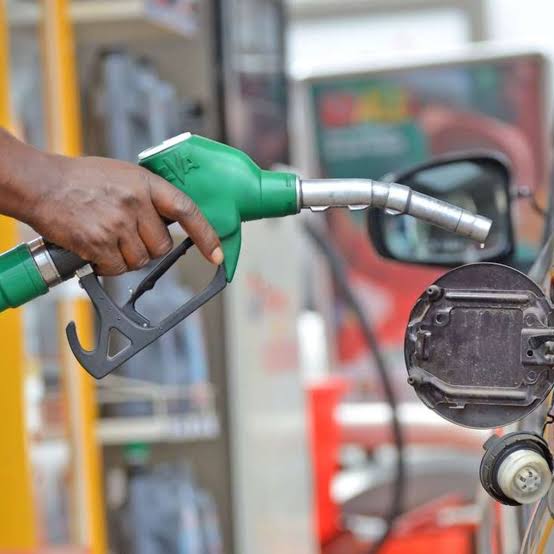
Motorists are likely to pay significantly more for fuel from Friday, August 1, as rising international crude oil prices and the depreciation of the Ghana cedi drive up petroleum prices.
According to the latest pricing outlook released by the Chamber of Oil Marketing Companies (COMAC) for the August 1–15, 2026 pricing window, all major petroleum products are expected to record substantial price increases.
COMAC projects that petrol will increase by 7.58% to approximately GH¢15.23 per litre, while diesel is expected to register the highest increase, climbing 12.50% to about GH¢17.45 per litre. Liquefied Petroleum Gas (LPG) is also forecast to rise by 4.13%, with prices expected to average GH¢16.40 per kilogram.
Some industry analysts, however, believe the actual increases at the pumps may be less pronounced for many consumers since several Oil Marketing Companies (OMCs) have already adjusted their prices upward in recent weeks.
Ahead of the new pricing window, the National Petroleum Authority (NPA) announced revised price floors for petroleum products. The minimum approved price for petrol has been increased from GH¢13.28 to GH¢14.53 per litre, while the diesel price floor has risen from GH¢14.35 to GH¢16.97 per litre. The approved minimum price for LPG has also been set at GH¢11.06 per kilogram.
The Authority reminded Oil Marketing Companies (OMCs) and LPG Marketing Companies (LPGMCs) that petroleum products must not be sold below the approved price floors during the pricing window.
COMAC attributed the projected increases primarily to higher international crude oil prices and rising costs of refined petroleum products. According to the Chamber, average crude oil prices increased by 23.25% during the review period, while diesel, petrol and LPG prices on the international market rose by 24.84%, 12.58% and 12.24%, respectively.
The Chamber noted that average crude oil prices climbed from US$71.90 to US$88.62 per barrel, driven largely by renewed geopolitical tensions, including developments surrounding the United States-Iran conflict and continued uncertainty over shipping through the Strait of Hormuz.
COMAC said that although hopes of a possible peace agreement briefly eased market concerns, Iran’s rejection of Oman’s shared-control proposal, renewed attacks on oil tankers and ongoing restrictions on maritime traffic have continued to keep global oil prices elevated.
The Chamber also identified the weakening of the Ghana cedi as another major contributor to the anticipated fuel price increases. During the review period, the average exchange rate depreciated from GH¢11.4970 to GH¢11.6593 per US dollar, representing a 1.41% decline in the cedi’s value and increasing the cost of importing petroleum products.