
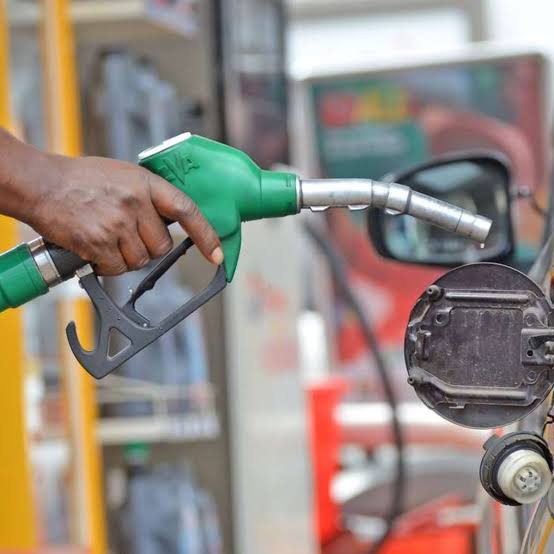
The Chamber of Oil Marketing Companies (COMAC) has attributed the recent increase in fuel prices at the pumps to rising international petroleum costs, stressing that Oil Marketing Companies (OMCs) are not increasing their profit margins.
Speaking in an interview on Joy FM’s Newsnight on Monday, July 27, COMAC Chief Executive Officer Dr. Riverson Oppong said the latest price adjustments reflect higher costs in the global crude oil and refined petroleum products market.
He explained that OMCs simply pass on the prices at which they purchase fuel from Bulk Distribution Companies (BDCs), adding that they cannot continue absorbing rising costs without jeopardising their operations.
“The BDCs have been increasing their prices, and I have seen instances where they adjusted prices overnight sometimes two or three times within a single day. I cannot fault them because they also have to respond when international traders raise prices,” he said.
His remarks come as motorists contend with higher fuel prices, with petrol retailing at around GH¢14.50 per litre and diesel approaching GH¢18.00 per litre.
Dr. Oppong emphasised that OMCs should not be blamed for the increases, noting that pump prices are determined by the actual cost of products supplied by BDCs.
“OMCs cannot continue to absorb these costs because that would threaten the sustainability of their businesses. We simply transfer the actual cost from the BDCs to consumers,” he said.
He also dismissed claims that some OMCs were breaching pricing regulations, insisting that all operators are complying with the National Petroleum Authority’s approved price floor.
“No one is selling below the established price floor. The industry remains compliant,” he stated.
Looking ahead, Dr. Oppong cautioned that fuel prices could rise again during the next pricing window in August if international market conditions remain unfavourable.
He noted that COMAC had hoped BDCs would maintain their previous ex-depot prices to help keep retail prices stable, but recent increases had made that impossible.
Dr. Oppong added that the Chamber’s support for the National Petroleum Authority’s price floor policy was intended to promote transparency and discourage unsustainable pricing practices.
“If you look at the last two pricing windows, no BDC or OMC has actually sold fuel at the price floor. The current market prices are simply what enable OMCs to break even or, at most, earn a profit of one pesewa per litre,” he said.