
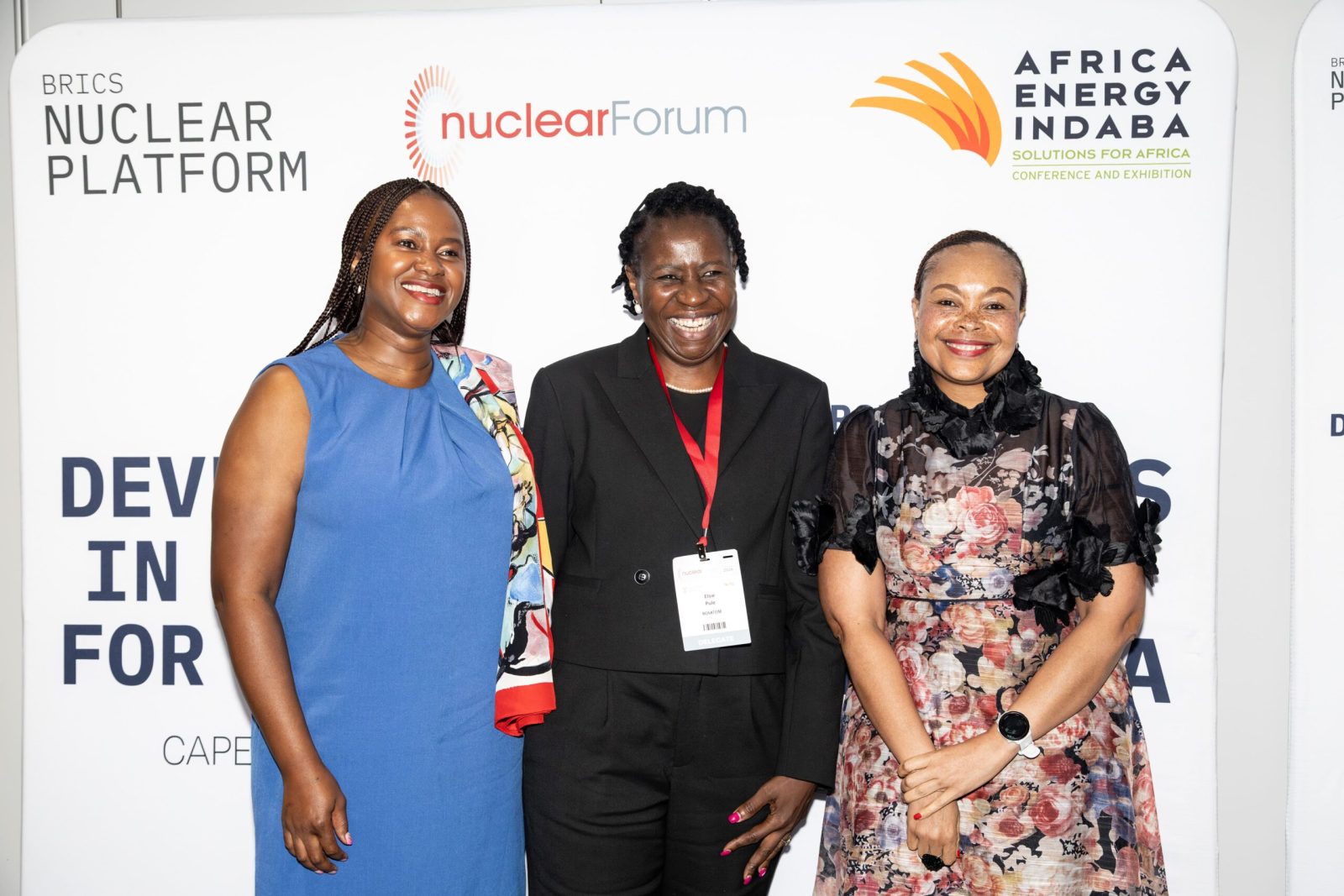

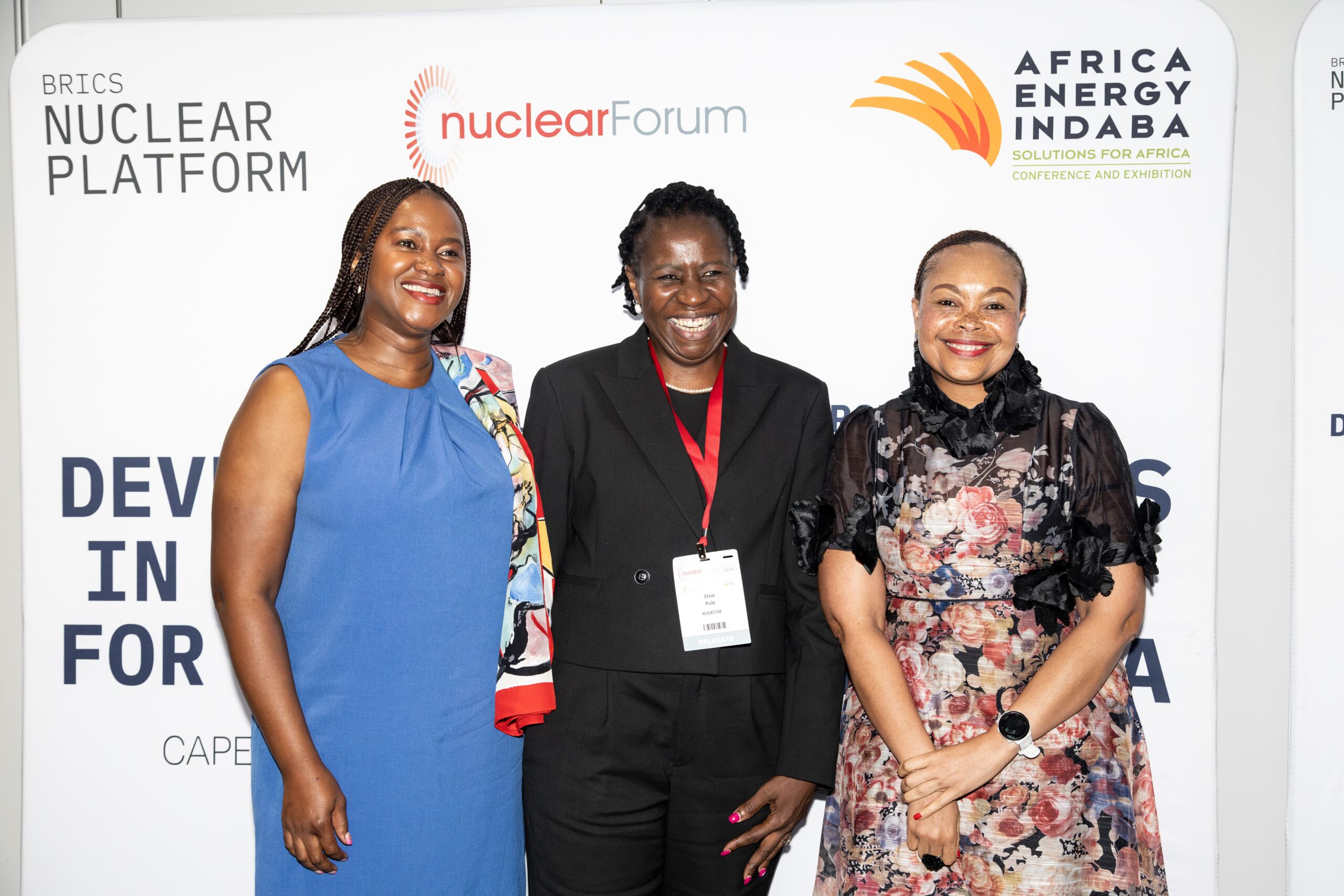
Experts in the nuclear energy sector have underscored the importance of strengthening human resource capacity to support the expansion of nuclear power across Africa.
The issue was highlighted during an expert session of the BRICS Nuclear Platform held on March 5, 2026, as part of the Nuclear Forum at the Africa Energy Indaba 2026 International Exhibition and Conference in Cape Town, South Africa.
The session brought together representatives from nuclear organisations, government institutions, and engineering bodies from BRICS+ countries and across Africa to exchange insights on workforce development and specialised training needed to sustain the nuclear industry.
Participants included officials from South Africa’s Department of Electricity and Energy, Eskom’s Koeberg Nuclear Power Station, Rosatom, the South African Nuclear Energy Corporation, the Rwanda Atomic Energy Board, the Federation of African Engineering Organisations, the China National Nuclear Corporation, Egypt’s Nuclear Power Plants Authority, the Brazilian Association for Nuclear Activities, and Ethiopia’s Ministry of Innovation and Technology. The discussion was moderated by Elsie Pule, Head Coordinator of the BRICS Nuclear Platform.
Speakers emphasized that building a skilled workforce is essential for the successful deployment and long term sustainability of nuclear power programmes in Africa.
Tatiana Terentyeva, Deputy Director General for Human Resources at Rosatom, noted that the organisation places strong emphasis on human capital development to support global nuclear initiatives. She revealed that more than 2,400 students from 65 countries are currently studying nuclear related programmes through Rosatom partner universities, including over 350 students from 24 African nations.
She added that about 70 percent of these international graduates return to their home countries to contribute to national energy development using the knowledge and expertise they acquired.
Participants also highlighted the importance of expanding local training programmes and accelerating technology localisation to support the growth of Africa’s nuclear sector. They stressed that significant investment will be required to nurture young professionals and strengthen the continent’s nuclear workforce, while also encouraging greater participation of women in the industry.
Elsie Pule said the discussions would inform the work of the BRICS Nuclear Platform’s Skills and Talent Development Working Group.
She also welcomed the signing of a Memorandum of Understanding between Rosatom and the South African Nuclear Energy Corporation aimed at enhancing cooperation in human resource development.
In addition, Pule announced the launch of the “Atoms Empowering Africa” competition, scheduled for 2026, which seeks to strengthen youth engagement and educational networks in the nuclear industry while raising awareness of nuclear energy among future generations across Africa.