

Eswatini is accelerating plans to expand domestic power generation as the southern African kingdom seeks to reduce its heavy reliance on imported electricity, mainly from South Africa’s Eskom.
The push comes as Eskom grapples with supply constraints and a key power purchase agreement expires in 2025, prompting the government to prioritise energy security under its latest national energy plan.
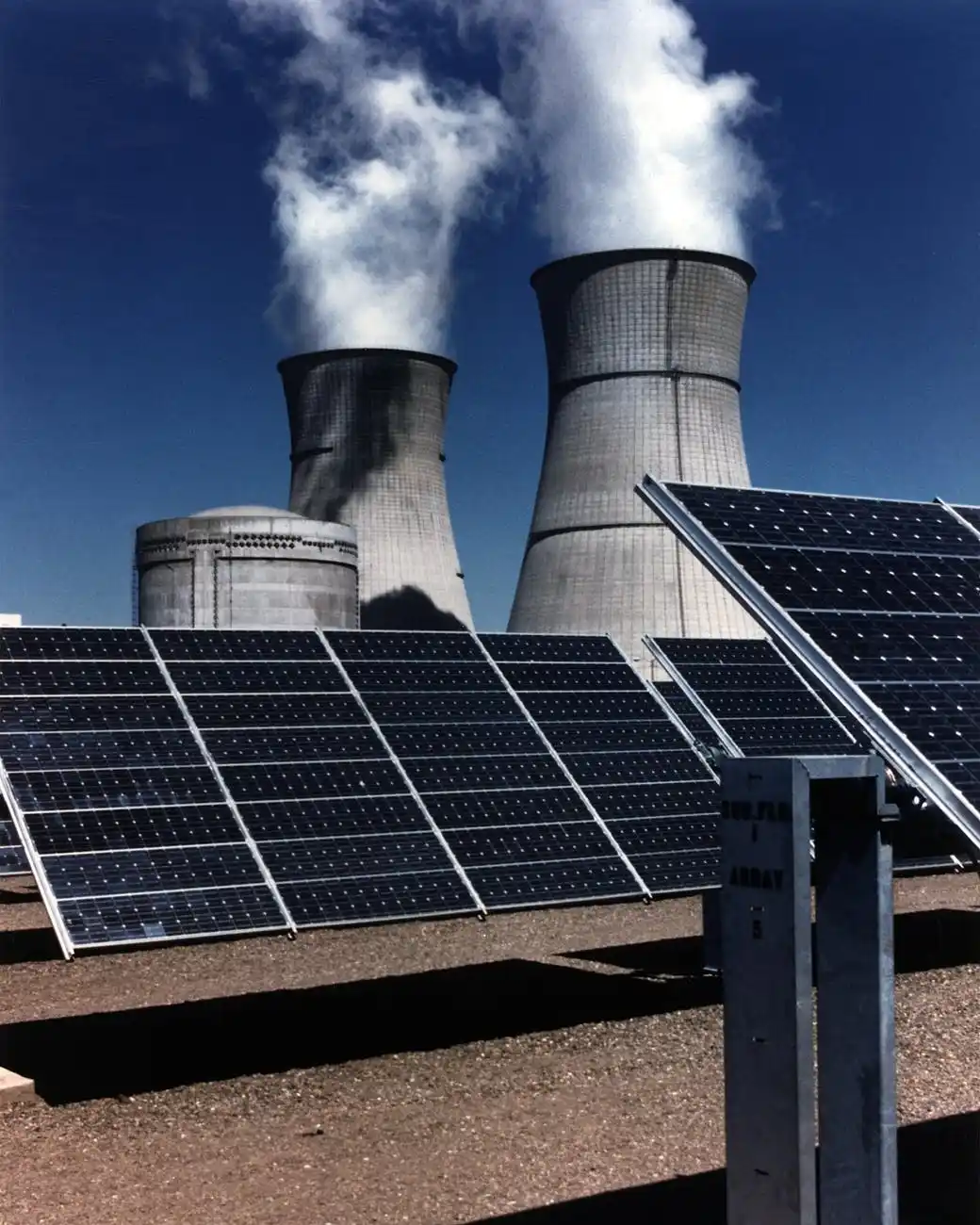
Central to the strategy is the 75-megawatt Tsamela Solar Project in the Shiselweni region, being developed by Enel Green Power, which will become Eswatini’s first utility-scale, on-grid solar independent power project.
The plant is expected to meet about 10% of national electricity demand and builds on smaller solar developments, including a recently completed 10-MW facility in Lavumisa.
Alongside solar, the government has opened bids for 80 MW of biomass generation using woodchips and sugarcane waste, aiming to provide stable, round-the-clock power while supporting local agriculture.
Biomass is seen as a reliable complement to solar, offering consistent output during nights and periods of low sunlight.
Eswatini is also planning the 300-MW Lubhuku coal-fired power station, promoted as a way to utilise local coal resources and create up to 1,000 jobs.
However, energy analysts warn the coal project could pose long-term financial and environmental risks as global markets move away from fossil fuels.
Officials say a diversified mix of renewables and baseload power will help Eswatini achieve greater energy independence and build a more resilient electricity system.