
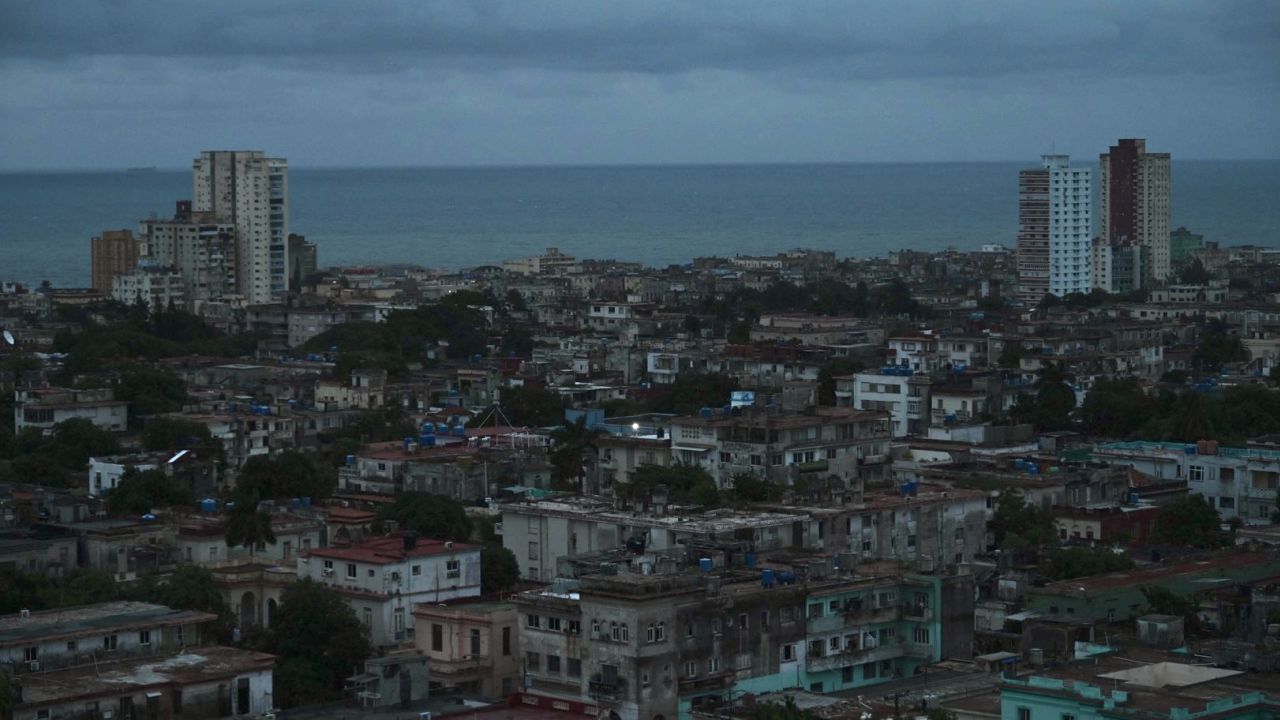

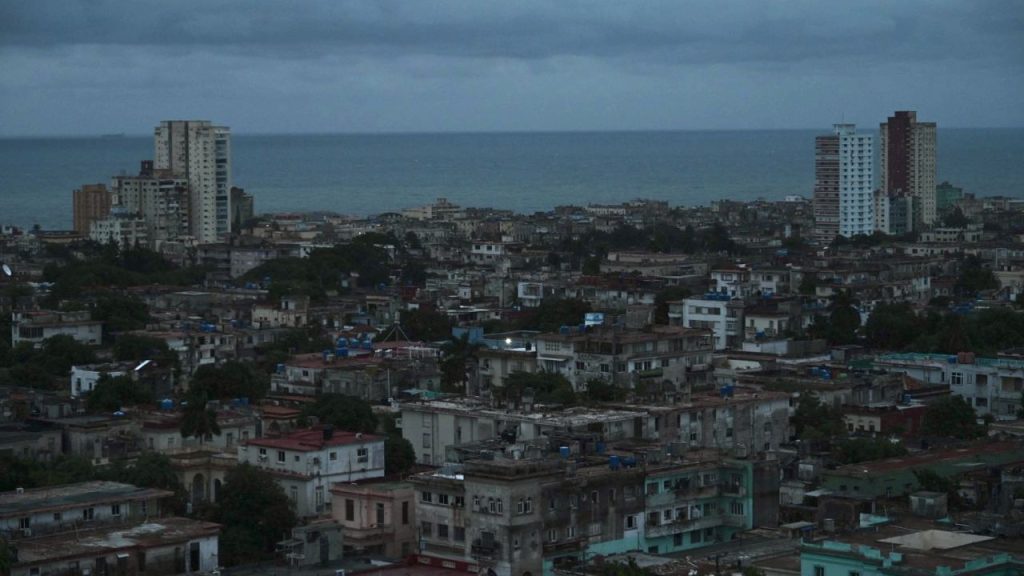
Cuba restored electricity nationwide on Tuesday after a 29-hour blackout that plunged the island of about 10 million people into darkness, officials said.
The national grid was reconnected around 6:11 p.m. local time after workers restarted the country’s largest oil-fired power plant.
The outage came as fuel shortages worsened following measures by the United States under President Donald Trump to restrict oil supplies to the island.
Washington has also warned of possible tariffs on countries that continue shipping fuel to Cuba.
Cuban leader Miguel Díaz‑Canel accused the United States of intensifying pressure on the communist-run nation and attempting to weaken its economy. U.S. officials, however, blamed the blackout on poor management and what they described as systemic failures in Cuba’s energy infrastructure.
The grid was stabilized after the aging Antonio Guiteras Power Plant resumed operations, a key facility that supports much of the country’s electricity supply.
Even so, power generation remains below demand due to limited fuel and outdated plants.
Before the collapse, many areas including the capital Havana were already experiencing daily outages lasting up to 16 hours. The crisis has disrupted food storage, water supply and other basic services for residents.
Energy supply challenges have also been compounded by limited oil imports, with only two small fuel shipments arriving this year.
Meanwhile, shipping data indicated a Hong Kong-flagged tanker recently resumed its journey toward Cuba after pausing in the Atlantic.
Despite tensions, Havana and Washington have opened talks aimed at easing the crisis, one of the most serious in decades. Both sides have offered few details, though officials signaled negotiations could shape future economic and energy cooperation.