
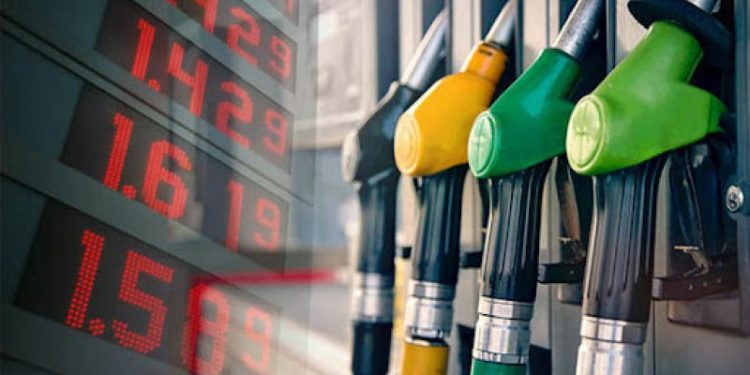
The Chamber of Petroleum Consumers (COPEC) has welcomed the government’s decision to absorb GH¢2 per litre of diesel costs but says the intervention alone cannot provide a lasting solution to Ghana’s recurring fuel price increases.
COPEC Executive Secretary, Duncan Amoah said the relief would provide some immediate support to consumers following the latest increase in petroleum prices, but stressed the need for a more sustainable approach to managing fuel price shocks.
Speaking on JoyNews’ PM Express Business Edition on Thursday, Mr. Amoah said government interventions of this nature should be complemented by a long-term programme capable of protecting consumers from frequent fluctuations in fuel prices.
He proposed the establishment of a strategic fuel reserve programme, arguing that Ghana could use such reserves as a buffer when international oil market developments cause sharp increases in petroleum product prices.
According to him, a strategic reserve would offer a more sustainable means of responding to global market volatility than periodic government interventions.
Mr. Amoah acknowledged the immediate benefits of the GH¢2 diesel relief but cautioned that government cannot continue absorbing fuel costs indefinitely.
The intervention comes amid rising petroleum prices and growing concerns about their impact on transport fares, business operating expenses and household budgets.
Government introduced the GH¢2-per-litre diesel relief to ease the financial pressure on commercial transport operators, businesses and other consumers who depend heavily on diesel.
While describing the measure as positive, Mr. Amoah maintained that Ghana needs to look beyond short-term price relief and develop policies that can provide greater stability in the fuel market.
He reiterated that establishing a strategic fuel reserve would give the country a stronger buffer against international oil price volatility and reduce the need for repeated government interventions.