
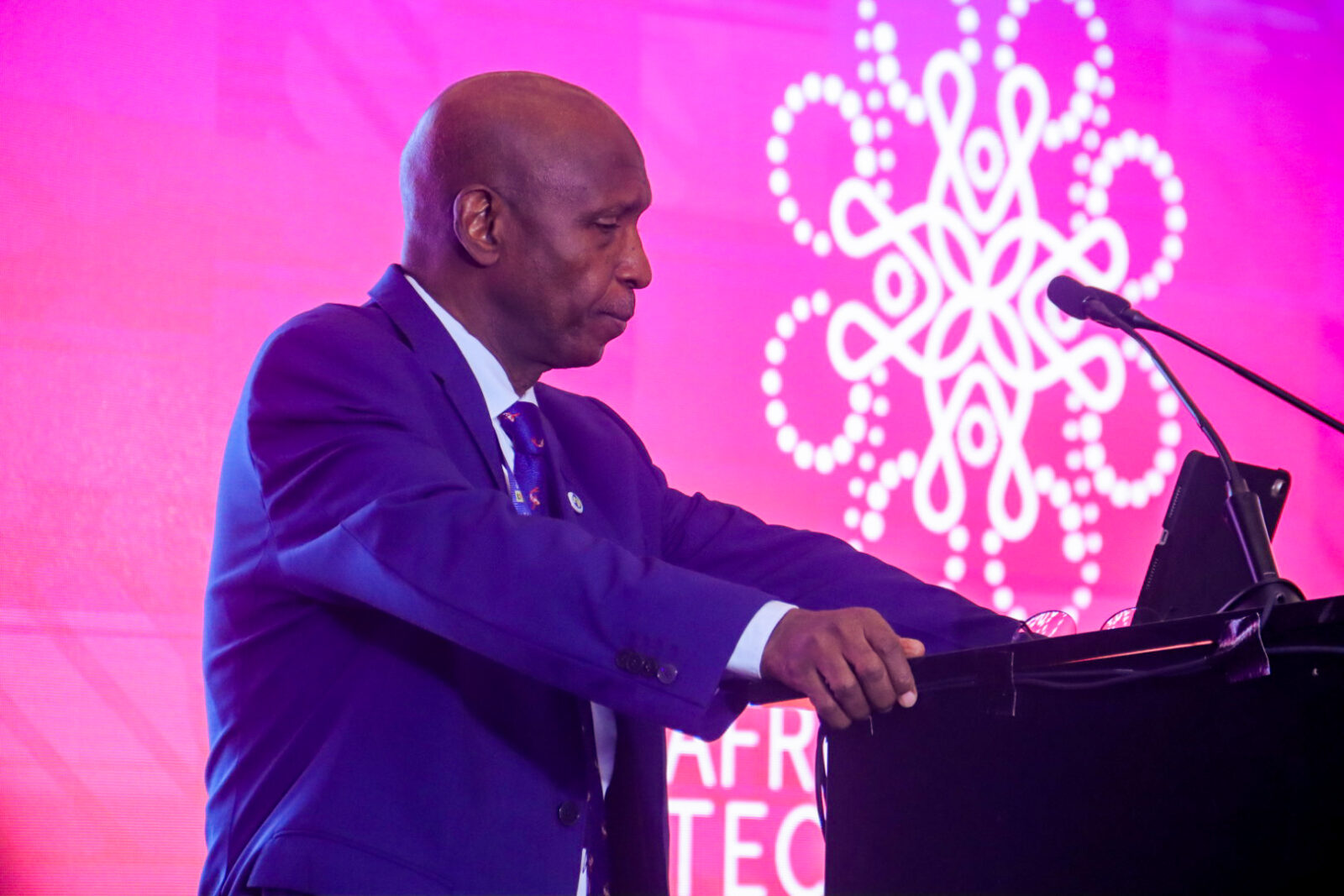

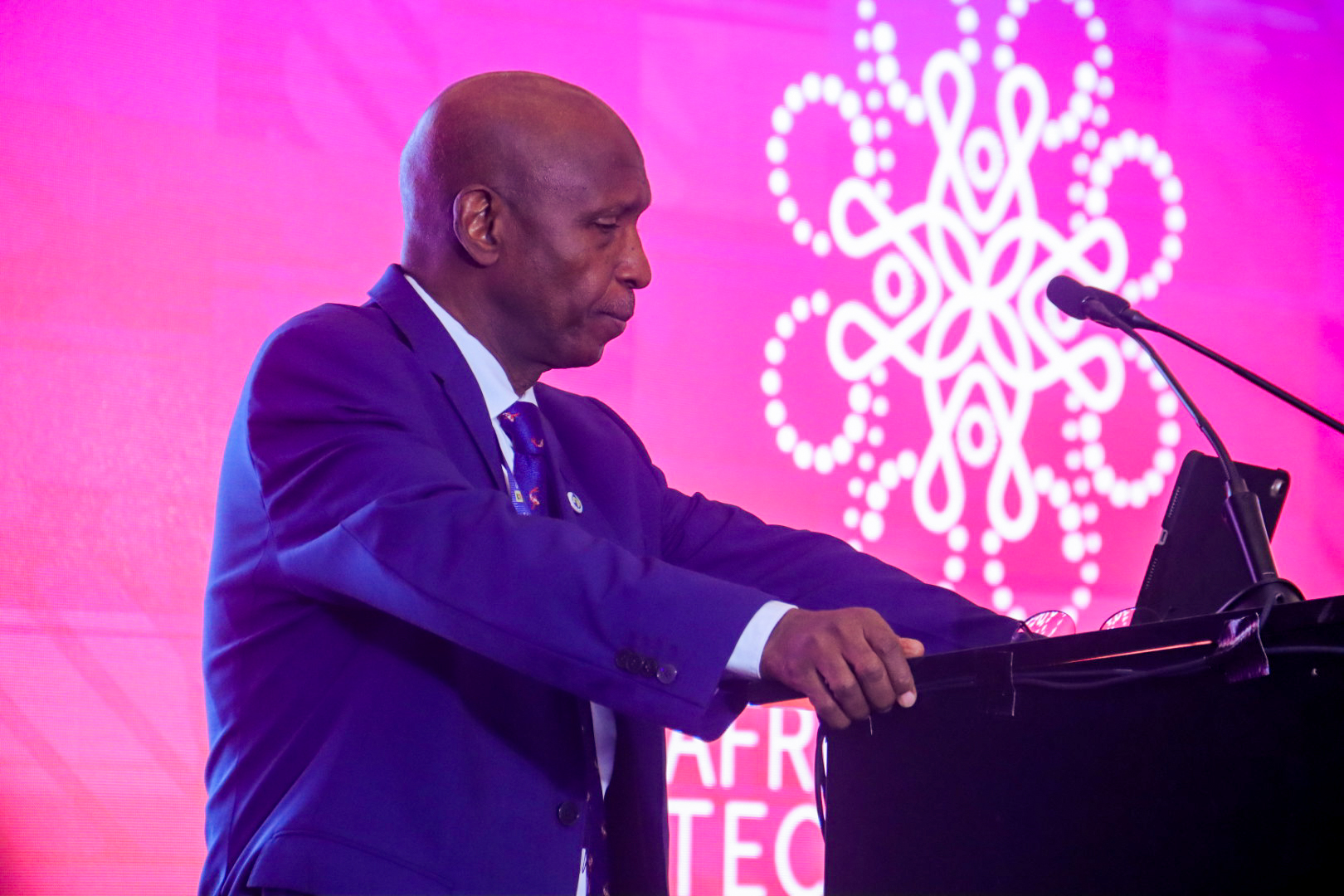
The Secretary General of the African Petroleum Producers Organisation (APPO), H.E Omar Ibrahim Farouk, has called on African nations to reclaim control of their energy destinies and abandon their dependency on foreign financing and policies, as the global shift towards cleaner energy seems to threaten the continent’s oil and gas future.
Speaking at the Africa Energy Technology Conference 2025, H.E Omar Farouk stressed that Africa must reject the externally imposed energy transition timelines that do not reflect the realities of the continent, seeing that there are more than 600 million Africans who do not have access to electricity.
To break the cycle of dependency, APPO’s Secretary-General stated that the African Petroleum Producers Organisation has partnered with the Afrexim Bank to establish the Africa Energy Bank. The bank is designed to address the growing gap in financing oil and gas projects as foreign financiers withdraw support in line with climate policies. The bank forms part of a broader strategy by APPO to ensure African-led financing, innovation, and infrastructure development in the oil and gas sector.
The Secretary-General criticized the global energy transition for its perceived double standards, arguing that while developed countries used fossil fuels to industrialise, they now expect Africa to pursue development through renewable technologies. He also questioned the fairness of the climate justice mechanism, noting that although Africa contributes only 3% to global emissions, the continent is expected to bear equal responsibility for climate action. He further expressed frustration over unfulfilled climate finance pledges made to African nations.
“Climate justice must not be reduced to dollars and cents. Real justice would mean repairing the damage done with the same technologies that caused it,” he stated
To build resilience, APPO is championing the creation of regional centers of excellence in oil and gas, aiming to pool resources and reduce duplication across African countries. These centers will foster regional collaboration in research, training, and innovation.
In addition, the organization is advocating for the development of internal energy markets across the continent, to reduce reliance on export markets that are moving away from fossil fuels.
“We must build the infrastructure to support regional and continental energy trade. This is how we future-proof our industry,” he said.